

Blue Sign Certified Dyes: What They Are and Why They Matter
When you choose a shirt, the color is easy to see. The chemistry behind that color is not. Dyeing can affect water, workplace safety, and the resources used to make a garment, so responsible clothing requires more than a thoughtful graphic or a soft fabric.
Blue Sign certified dyes are textile dyes made under the bluesign system. That system evaluates chemical inputs and production processes for safer chemistry, resource efficiency, pollution control, and occupational health. Mindful Supply uses them across its Classic, Signature, and Crop Tees, alongside its broader commitment to responsibly made clothing.
Shop the Classic Tee collection to see the responsibly made garments.
That distinction matters because a certification should describe how materials are managed, not simply how a finished shirt looks. To understand what the credential means, it helps to start with the organization behind the standards and the questions its system is designed to answer.
What Is Blue Sign Certification and Who Issues It?
Blue Sign certification comes from bluesign technologies AG, a Swiss organization that developed the bluesign system for managing chemicals and production in textile supply chains. Rather than judging a finished garment by its color or appearance, the system looks upstream at the substances and processes used to make it.
The bluesign system holds chemical suppliers to strict, science-based standards. Its criteria evaluate chemical inputs, materials, and production processes for risks to people and the environment. The standards are also updated as scientific knowledge, regulations, and industry best practices develop. Read the bluesign standards and criteria.
What does the bluesign system evaluate?
The criteria cover several connected parts of responsible production:
- Chemical safety: Inputs are assessed for hazardous substances that could harm human health or the environment.
- Resource efficiency: Production is evaluated for its use of resources such as water and energy.
- Pollution control: The system considers air emissions, wastewater, and waste management.
- Occupational health and safety: The process must account for the workers who handle chemicals and make the materials.
This broader view matters because dye decisions affect more than the final shade. A well-managed system considers the chemical supplier, the facility, the production process, and the potential effects on workers and local environments. Manufacturers, brands, and suppliers can use the assessments to improve transparency and continue refining their practices.
Who participates in the bluesign network?
The bluesign System Partners network includes more than 900 partners in over 50 countries. That network connects chemical suppliers, textile manufacturers, and brands around shared requirements, making it easier to trace and address risks across a complicated supply chain.
Question: Who issues Blue Sign certification?
Answer: Blue Sign certification is issued through the Swiss bluesign system, developed by bluesign technologies AG. The system evaluates chemical safety, resource efficiency, pollution control, and occupational health and safety against science-based criteria.
For shoppers, the key distinction is precision. Mindful Supply uses blue sign certified dyes in its tees, but that does not mean every part of the brand or every product carries a separate bluesign certification. It means the dye inputs are selected within a defined framework for safer, more transparent production.
How Textile Dyes Affect Water, Workers, and the Environment
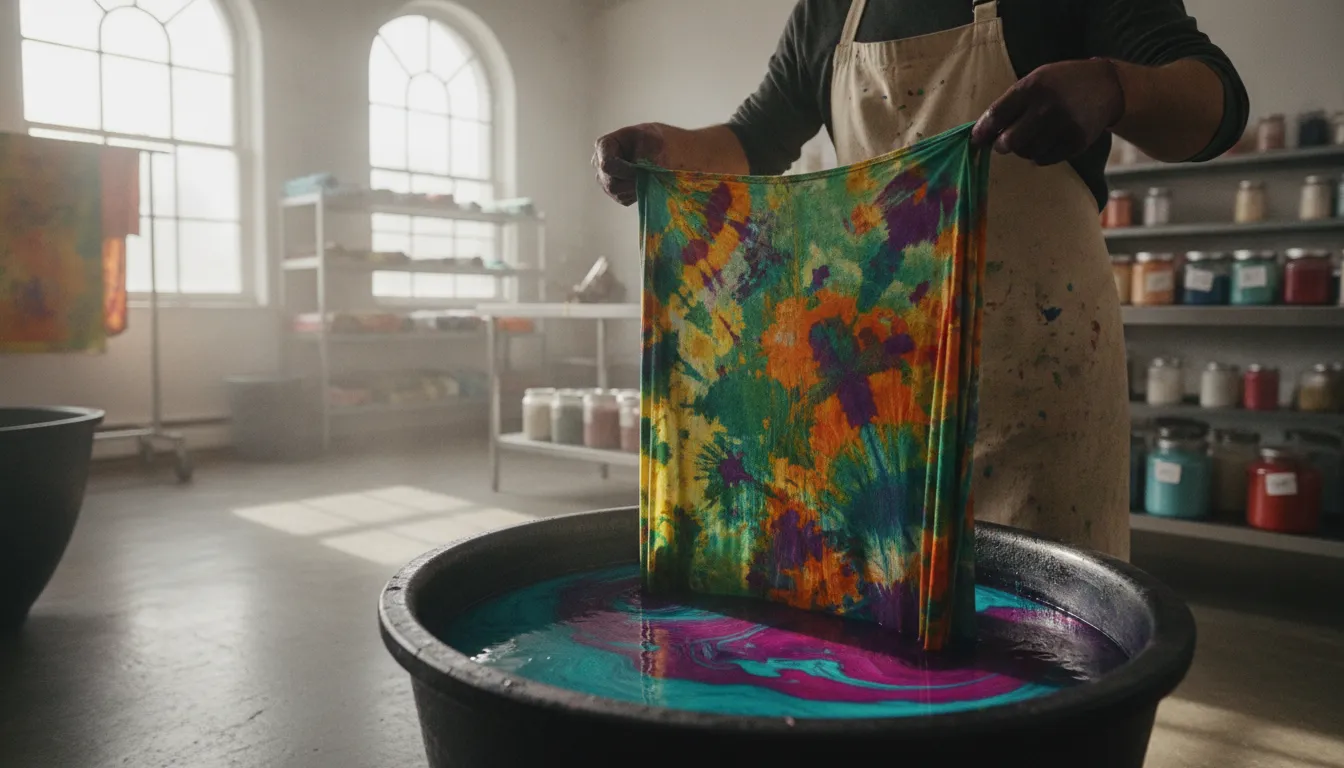
Dyeing gives fabric its color, but it also introduces chemical inputs and wastewater that require careful management. The U.S. Environmental Protection Agency's textile industry best-management manual identifies dyeing and related textile processes as important sources of wastewater and pollution-prevention opportunities. That makes responsible chemical selection and treatment essential, not incidental.
Why dye choices are also worker-safety choices
Water pollution is only one part of the picture. The people who handle dyes and work near production processes deserve protection from avoidable chemical risks. Safer dye chemistry is part of that effort because evaluating a dye should account for worker exposure and for effects after wastewater leaves a facility.
The bluesign system addresses that broader responsibility through criteria that cover chemical safety, resource efficiency, pollution control, and occupational health and safety. Its standards evaluate chemicals, materials, and production processes for hazards that could affect human health or the environment. They are also updated as science, regulations, and industry practices develop.
- Water: Better chemical management can help reduce hazardous discharges and support more effective wastewater controls.
- Workers: Occupational health and safety belong in the assessment of production inputs, not as an afterthought.
- Communities: Pollution prevention helps limit the burden that textile wastewater can place on local waterways and the people who depend on them.
- Manufacturers: Reviewing chemical inputs alongside water, energy, air, and waste impacts creates a more complete picture of production responsibility.
That is why a claim about Blue Sign certified dyes should mean more than a color description. It points to a defined effort to connect safer chemistry with cleaner processes and better protection for the people involved.
What Blue Sign Certified Dyes Actually Test For
Blue Sign Certified Dyes are evaluated as part of a broader system for safer chemistry and more responsible textile production. The criteria look beyond the finished color to the chemicals, resources, emissions, and working conditions involved in making it.
What the bluesign criteria cover
The standards are expert-driven and science-based. They assess chemical inputs and production processes for risks to people and the environment, while also encouraging manufacturers and suppliers to improve over time. In practical terms, the review considers:
- Chemical safety: Inputs are screened to help ensure they are free from hazardous substances that could threaten human health or the environment.
- Water and energy efficiency: The process considers how efficiently production uses these resources, rather than treating resource use as an afterthought.
- Pollution control: Criteria address emissions to air, wastewater, and solid waste. That matters because textile dyeing can contribute to water pollution when chemical management is weak. The EPA's textile pollution prevention guidance outlines the importance of controlling these waste streams.
- Occupational health and safety: The system evaluates whether production processes protect the people who handle chemicals and make the clothing. Safer dye chemistry is especially relevant here, because hazardous textile dyes have historically been linked to occupational health concerns for the workers who handle them.
- Continuous improvement: bluesign standards are updated as science, regulations, and industry practices develop. Certification is therefore connected to ongoing assessment, transparency, and risk reduction, not just a one-time check.
Q: Does this mean every dye is completely risk-free?
A: No certification should be treated as a claim that manufacturing has no impact. It means the chemistry and process are assessed against defined criteria intended to reduce risks and support safer, more transparent production.
How the Classic Tee Uses Blue Sign Certified Dyes
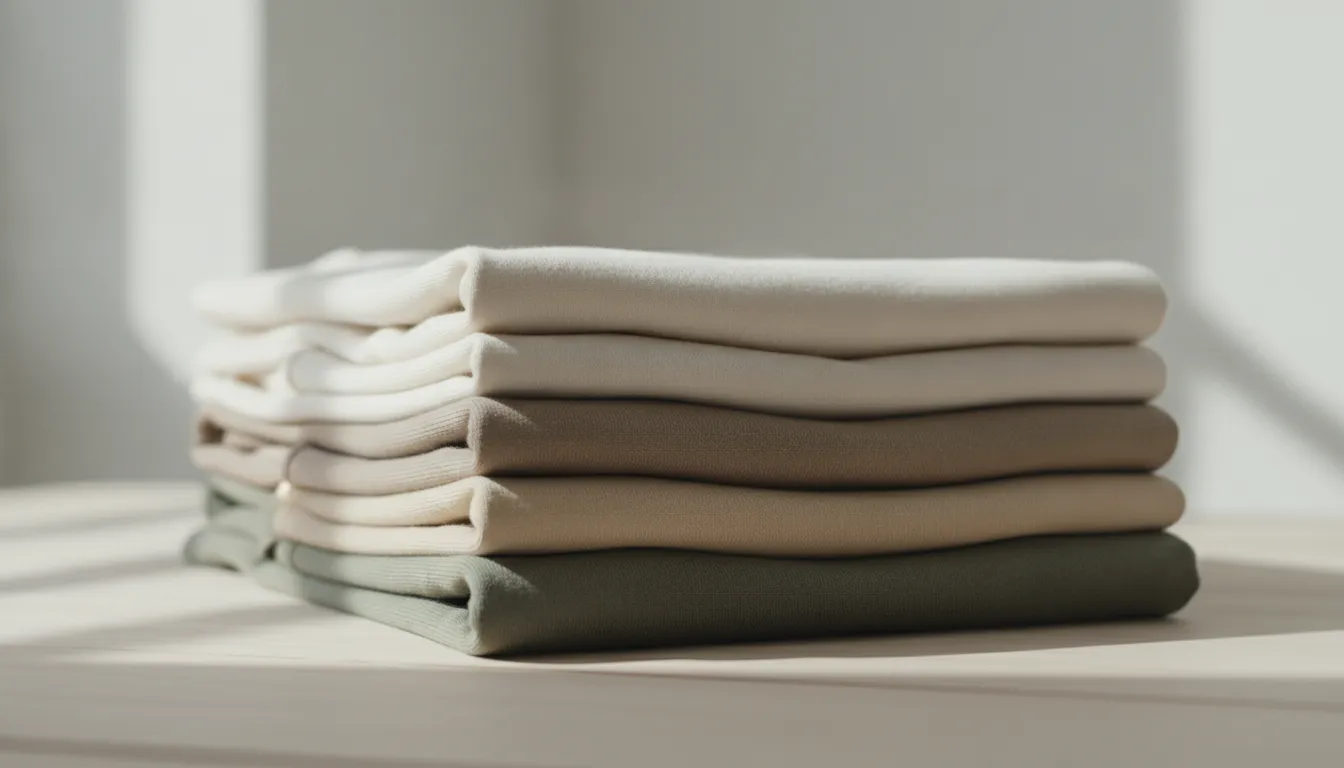
Color is only one part of a garment's story. The dyeing process also shapes how a tee is made, which is why Mindful Supply pays attention to the chemistry and water practices behind each product. Blue Sign certified dyes are used across the Classic, Signature, and Crop Tees, supporting an eco-friendly dye process with clear standards for water use and treatment.
Specific dye standards, not vague promises
Mindful Supply's dyeing approach follows strict California EPA guidelines for water use and treatment. That gives the process a concrete point of reference. The goal is attention to the inputs and systems used to make the garment, not just a color name. Blue Sign certification also focuses on chemical safety and production practices, helping keep attention on the people and places affected by textile manufacturing.
For the Classic Tee, that consideration is one part of a larger product story. The tee is made with 100% U.S. combed ring-spun cotton and is responsibly sewn in Nicaragua. That sewing location is separate from Mindful Supply's North Carolina and South Carolina supply-chain story, so the two should not be blended together. The dye standard describes the chemical and water-management side of production, while the product details describe the tee's material and sewing stages.
That kind of distinction matters. A responsible apparel claim should make it easier to understand what a specific standard covers, rather than implying that one label explains every stage of a garment's journey. You can explore the broader principles behind this approach in the article on responsibly made clothing.
Mindful Supply also makes its production story available through the Know Your Shirt page. It offers a closer look at the brand's dirt-to-shirt network and helps shoppers connect individual choices. Such as dye management, with the people, materials, and processes behind the finished tee.
In practical terms, choosing the Classic Tee means choosing a garment whose dye process is guided by defined water and chemical-safety expectations. Not just a color name on a product page. It is a small but meaningful part of making clothing with more care and more accountability.
Why Dye Certification Matters More Than the Color on the Tag
A fabric's color tells you what it looks like. It does not tell you how its dye was selected, handled, or evaluated. That is why certification matters: it gives shoppers a clearer view of the decisions behind the finished garment.
Under the bluesign system, assessment is not limited to the dye itself. It can map a brand's supply network and material origins, then identify risks connected to fabric, trims, and chemical inputs. In other words, the process looks upstream, where many important choices are made. It does not treat a finished shirt as an isolated product. bluesign's standards and criteria explain how these assessments support safer, more transparent production.
Transparency makes meaningful questions possible
Supply-chain mapping does not make every garment perfect, but it makes improvement more practical. When a brand can identify where materials come from and which inputs are used, it has a better basis for asking specific questions: Is a chemical input appropriate? Could a process use less water or energy? Are workers protected from avoidable hazards? Are wastewater and other impacts being managed responsibly?
Those questions matter because textile production can contribute to water pollution, and some historically used dyes have been associated with occupational health hazards. A certification framework creates a consistent way to examine those risks rather than relying on a broad color name or an unverified marketing phrase.
| What a color name tells you | What a dye certification tells you |
|---|---|
| The shade of the fabric. | How the dye chemistry is evaluated for hazards. |
| How the garment looks. | How water and energy use are managed. |
| Nothing about the process. | How air, wastewater, and waste are controlled. |
| Nothing about people. | How worker health and safety are addressed. |
| A one-time style choice. | How standards improve over time. |
Standards should keep moving forward
The value of a standard also depends on whether it stays current. bluesign says its criteria are continuously updated to reflect new science, regulations, and industry best practices. That emphasis on continuous improvement matters more than a one-time claim. It recognizes that safer chemistry and responsible production are ongoing practices, not a finish line reached when a tag is printed.
For shoppers, the takeaway is simple: look beyond appearance. A color can express your style, while a credible certification can offer insight into the care behind the product. For a broader look at how materials, manufacturing, and accountability fit together, read our guide to responsibly made clothing.
Frequently Asked Questions
What are Blue Sign certified dyes?
Blue Sign certified dyes are textile colorants assessed through the bluesign system, which evaluates chemical safety, resource efficiency, pollution control, and occupational health and safety. The goal is to support safer, more transparent dyeing rather than judge color or style alone. bluesign's standards are updated as science, regulations, and industry practices evolve.
Is bluesign the same as OEKO-TEX?
No. They are separate programs with different standards, assessments, and claims. Mindful Supply's Blue Sign dye statement should not be read as an OEKO-TEX, GOTS, or other certification claim. Look for the specific credential being discussed and the product details supporting it.
Are Blue Sign certified dyes safer for people and the environment?
They are designed to meet stricter criteria for chemical safety and responsible production. The standards address hazardous substances, water and energy use, pollution control, and worker health and safety. That does not mean every garment has zero environmental impact, but it gives brands and suppliers a clearer framework for reducing avoidable risks.
Does Mindful Supply use Blue Sign certified dyes?
Yes. Mindful Supply uses Blue Sign certified dyes across its Classic, Signature, and Crop Tees. The dyes are described as eco-friendly and as following strict California EPA guidelines for water use and treatment. The Classic Tee also has its own supply-chain detail: it uses U.S. cotton and is responsibly sewn in Nicaragua.
Shop the Classic Tee collection and see the Blue Sign certified dyes in action.
Ready to Shop the Classic Tee?
Choosing clothing made with thoughtful materials can make everyday basics feel more connected to the values behind them. Shop the Classic Tee collection to explore responsibly made clothing made with Blue Sign certified dyes.