

What Is Mindful Living? A Guide to Ethical Purchasing
Mindful living is the practice of making everyday choices with attention to what you need, what you value, and how your actions affect other people and the world around you. If you are searching for what is mindful living ethical purchasing, the connection is practical: your daily purchases can become a small, honest way to put your values into practice. For a clothing-focused example, explore how intentional living can shape the way you dress and give.
Shop responsibly made Classic Tees
What Is Mindful Living? Beyond Meditation and Minimalism
Mindful living is an intentional approach to daily life that brings awareness to your choices, habits, relationships, and consumption. It can include meditation, but it is not limited to a wellness routine or a minimalist aesthetic. The goal is to notice what matters, then make decisions that reflect it.
That definition leaves room for different people, budgets, cultures, and seasons of life. Mindful living is not a test you pass by owning fewer things or buying only from perfect companies. It is a repeatable practice of paying attention before you act, learning from the information available, and choosing with care when you can.
It helps to separate three ideas that often get blended together:
| Idea | Core question | What it can look like |
|---|---|---|
| Mindful living | Does this choice reflect what matters to me? | Pausing, noticing patterns, and acting with intention |
| Mindful shopping | Do I need and value this particular purchase? | Researching, avoiding impulse buys, and choosing useful quality |
| Minimalism | What can I simplify or remove? | Owning fewer items, reducing clutter, and prioritizing essentials |
These approaches can support one another, but they are not interchangeable. A person can live mindfully without pursuing a minimalist home, and a thoughtful purchase can be worthwhile even when it adds something new to a full life.
How Do Your Purchasing Decisions Become a Values Practice?
Purchasing becomes a values practice when you look beyond the moment of checkout and consider the need, the maker, the product's useful life, and the effect of supporting that business. The decision is not about being perfect. It is about making the connection between money, attention, and values visible.
Research on mindful consumption describes the idea as caring for yourself, your community, and nature while tempering excessive or repetitive consumption. That framework is useful because it keeps ethical purchasing grounded in real life. Your budget and needs matter, as do the workers, materials, and communities connected to what you buy. This academic overview of mindful consumption offers useful background on that broader perspective.
Before you buy, a short pause can turn an automatic decision into an informed one:
- Notice the trigger: Are you responding to a real need, a gap in your wardrobe, a gift occasion, a sale, or a passing mood?
- Check the story: What does the brand clearly share about materials, production, quality, and the people behind the product?
- Consider the future: Can you picture using, wearing, caring for, and enjoying the item beyond the first week?
- Respect your limits: A values-aligned purchase should not require ignoring your financial responsibilities or creating unnecessary pressure.
This approach replaces guilt with agency. You do not need to know everything about every supply chain before buying. You can start by asking better questions and favoring brands that provide specific answers instead of vague promises.
What Three Questions Should You Ask Before a Consumer Purchase?
The three most useful questions are: Do I need this? Will it serve me well? And can I understand and support how it was made? Together, they connect personal usefulness with product quality and the ethical values behind a purchase.
1. Do I need this, or am I reacting to a moment?
A need can mean replacing a worn-out staple, filling a genuine gap, or choosing a meaningful gift. A want is not automatically wrong. The point is to recognize which one is guiding you. Try leaving an item in your cart for a day, checking what you already own, and naming the use you expect to get from it.
2. Will I use it often and care for it well?
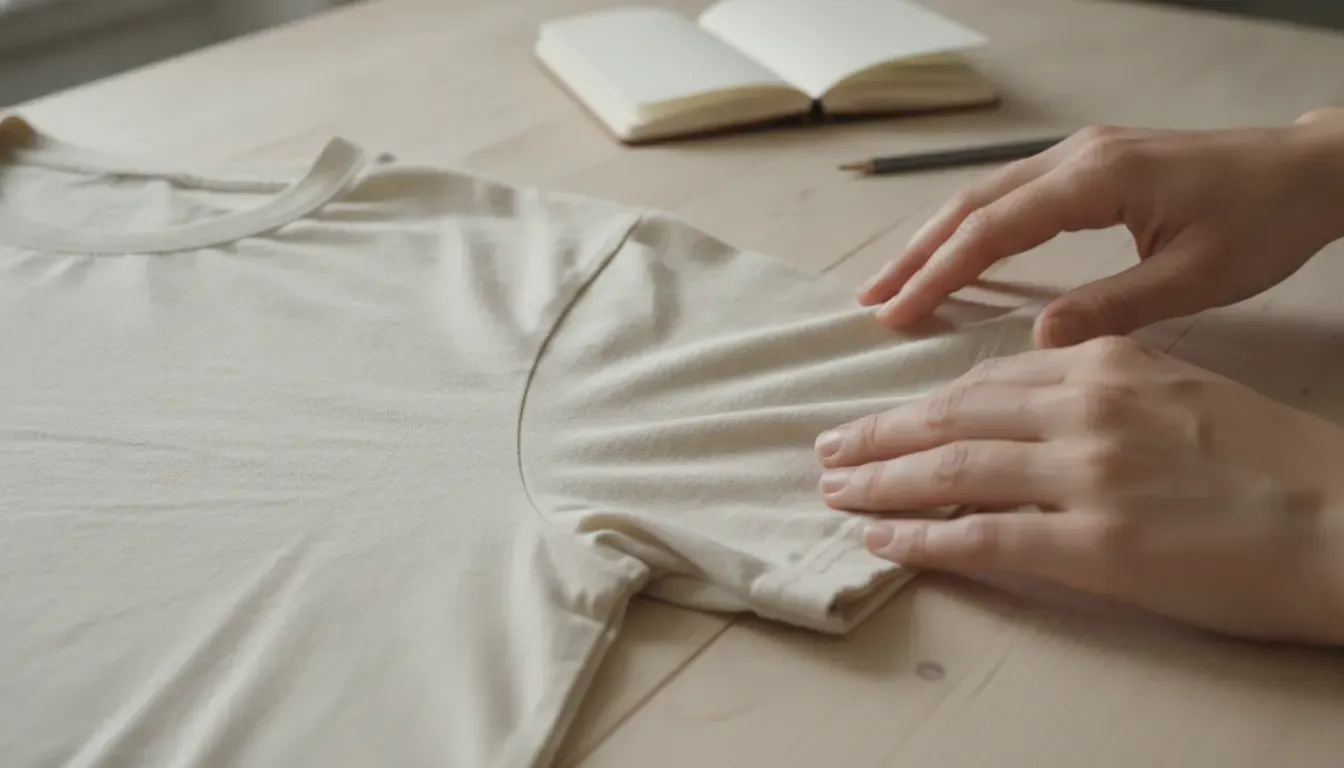
Quality is not simply a high price or a luxury label. For clothing, look at the fabric, construction, fit, care requirements, and whether the design works with the life you actually lead. An item that feels good, fits your routine, and can be worn in several ways is more likely to earn a lasting place in your wardrobe.
3. Can I find specific information about the maker and impact?
Look for clear details rather than relying on broad labels. Materials, country or region of production, named supply-chain partners, dye or print methods, repair guidance, and charitable commitments can all help you decide what supporting a brand means to you. If a claim is important to your decision, the brand should make it possible to investigate.
These questions are a filter, not a demand for a flawless answer. Ethical purchasing is often a matter of choosing the most transparent and useful option available to you, then continuing to learn.
Read the guide to mindful shopping
Why Is Clothing a Practical Place to Start Mindful Living?
Clothing is a practical place to start because you interact with it repeatedly. A shirt can touch your skin, move through your weekly routine, require care, and remain in your closet for years. That repeated relationship gives you many chances to connect comfort, quality, materials, production, and personal expression.
When evaluating a garment, consider the evidence that helps you make a grounded choice:
| What to examine | Useful evidence | Question to ask |
|---|---|---|
| Materials | Fiber content and fabric origin | Do I understand what this is made from? |
| Construction | Fit, seams, fabric weight, and care information | Will it work for my real life? |
| Production | Named locations or suppliers | Is the brand willing to show how it is made? |
| Purpose | Versatility, comfort, and expected wear | Will I reach for it more than once? |
For example, Mindful Supply's Classic Tee is made from 100% U.S. combed ring-spun cotton, uses fabric made in the USA, and is responsibly sewn in Nicaragua. The product information also identifies Blue Sign certified dyes. Those details do not tell every shopper what to buy, but they give a values-conscious customer something concrete to consider.
Clothing can also connect personal choices to community. Mindful Supply's broader NC supply-chain story traces cotton and textile work through named regional partners, while its customer-directed giving program lets shoppers choose from six charity partners at checkout. These are separate parts of the brand story, and together they show how a purchase can carry questions about materials, people, place, and purpose.
How Does Mindful Supply Fit the Mindful Living Framework?
Mindful Supply fits this framework by treating apparel as more than a graphic or trend. The Greensboro, North Carolina brand combines responsibly made goods, transparent production details, accessible everyday style, and customer-directed giving for people who want what they wear to reflect how they live.
That mission began with founders David Grubbs and Derek Glass, who left the corporate world after seeing local textile jobs disappear and set out to build a different kind of apparel company. Today, Mindful Supply's brand promise is simple: Feel Good. Do Good. Wear Mindfully. Its clothing is designed for people who live in the moment, not for people trying to perform a perfect lifestyle.
The best next step is not to replace everything you own. It is to use what you have with care, identify the gaps that matter, and choose the next item with more attention than the last. For more ideas, revisit the intentional living wardrobe guide, then learn more about Mindful Supply's story and values.
Shop Classic Tees made for mindful everyday living
Frequently Asked Questions
What is mindful living in simple terms?
Mindful living means paying attention to your choices and making them with your needs, values, and impact in mind. It can include how you spend money, use resources, care for possessions, treat people, and participate in your community. It is a practice of awareness, not a requirement to live perfectly.
What is ethical purchasing?
Ethical purchasing means considering how a product was made, who made it, what the business supports, and whether the purchase fits your own needs and values. It does not require one universal shopping rule. It asks you to seek specific information, weigh tradeoffs honestly, and choose responsibly within your budget.
Is mindful living the same as minimalism?
No. Minimalism often focuses on owning less and reducing clutter, while mindful living focuses on awareness and alignment. A mindful person may own fewer things, but may also keep meaningful, useful items and buy new products when they genuinely serve a need. The shared principle is intentionality rather than a fixed number of possessions.
How can I practice mindful living on a budget?
Start with what costs nothing: pause before buying, use what you already own, repair or care for items, borrow when practical, and research before replacing something. When you do shop, prioritize usefulness and transparency rather than assuming the most expensive option is the most ethical. Mindful living should respect your financial well-being.
How can clothing support mindful living?
Choose clothing you expect to wear often, learn about its materials and construction, and look for brands that share clear production details. Consider fit, care, versatility, and the communities connected to the product. A thoughtful wardrobe is built gradually through useful choices, not by discarding everything and starting over.