

What Is a Responsibly Made Hoodie and How Does It Differ from a Regular One?
A responsibly made hoodie is more than a soft layer with a values-led label. It is a garment you can evaluate through specific details: the fiber blend, construction, manufacturing information, expected lifespan, and care guidance. A regular hoodie may offer comfort without telling you much about how it was made. Mindful Supply brings those questions into focus through its outerwear materials and its broader commitment to responsible apparel. For a related look at fabric weight, construction, and quality, read the Premium Fabric Quality guide.
What makes a hoodie responsibly made?
A responsibly made hoodie gives shoppers enough information to make a considered choice. That includes material composition, construction details, where key production steps happen, and how the garment is designed to perform over time. The goal is not to find a perfect garment. It is to find a product backed by concrete information rather than broad language alone.
Here are the signals worth checking before you buy:
- Material clarity: The brand names the fibers and blend percentages instead of saying only "premium fabric."
- Construction details: Product information explains seams, ribbing, hood lining, pockets, or reinforcement.
- Manufacturing transparency: The company shares meaningful information about mills, sewing, printing, or other production steps.
- Durability: The design is made for repeat wear rather than a short trend cycle.
- Care guidance: The brand helps you keep the garment in use longer through clear care recommendations.
- Honest scope: The company distinguishes between verified product facts and broader brand values.
These signals also help separate responsible apparel from vague green language. A hoodie does not become responsible because of one material choice. Its story includes the people involved in making it, the resources used in production, the quality of the finished garment, and what happens during years of wear.
How do materials affect a hoodie?
Material choice affects a hoodie's feel, weight, warmth, durability, and end-of-life considerations. Cotton can provide a familiar natural hand feel. Polyester can add strength, shape retention, or moisture management. A blend can balance those properties. The responsible question is not whether one fiber wins in every situation. It is whether the brand clearly explains the material choice and builds the hoodie for its intended use.
Mindful Supply's hoodie specifications describe an 8.2 oz./yd2 fabric made from an 80/20 ring-spun cotton and polyester blend with a 100% cotton face. That combination gives the outer surface a cotton feel while using a blend for the garment's overall structure. The product details also call out a jersey-lined hood, twill neck tape, 1x1 ribbing, dyed-to-match drawcords, and a reinforced pouch pocket.
| What to compare | What it can tell you | What to ask |
|---|---|---|
| Fiber blend | How the hoodie may feel, wear, and hold its shape | Are the fibers and percentages clearly listed? |
| Fabric weight | Whether the layer is light, midweight, or substantial | Is the weight stated in a useful unit? |
| Surface and finish | How the garment feels against the skin and handles repeated wear | Is the face, lining, or finish described? |
| Construction | Where stress points receive extra support | Are seams, ribbing, hood, and pocket details available? |
Material information is most useful when it is paired with construction information. A fiber percentage by itself cannot tell you whether the cuffs will keep their shape or whether the pocket will withstand daily use. Read it alongside the garment's build. For more context on how fabric, weight, and construction work together, explore Mindful Supply's quality clothing education.
Why does manufacturing transparency matter?
Manufacturing transparency helps you understand the human and environmental choices behind a hoodie. A responsible brand should be able to explain more than the location of its headquarters. Look for information about material sourcing, fabric production, cutting and sewing, printing, dyeing, and the facilities involved in those steps.
Mindful Supply is based in Greensboro, North Carolina, and has built its brand around a more visible apparel supply chain. Its Know Your Shirt resource shows how the company documents production stages for its apparel story. Its broader brand information also names North Carolina and South Carolina partners and emphasizes the people working across the supply chain. That transparency is useful because it gives shoppers something specific to examine.
One important distinction matters here: a transparent t-shirt supply chain should not automatically be treated as the exact supply chain for every hoodie. Responsible shopping means checking the product-specific details. Ask where the hoodie fabric was made, where the garment was cut and sewn, and where any decoration was applied. If a brand cannot answer those questions, its responsibility claim is harder to evaluate.
This is also why the phrase "regular hoodie" can be misleading. There is no single standard regular hoodie. Some are carefully built and well documented. Others provide little information beyond size and color. The difference is not a moral judgment about one category. It is the amount of evidence a shopper receives before making a purchase.
How is a responsibly made hoodie different from a regular one?
The clearest difference is evidence. A regular hoodie may be judged primarily by its appearance, softness, price, or trend appeal. A responsibly made hoodie invites a wider evaluation that includes how it was made, who made it, what it is made from, and how long it is likely to stay in rotation. Those extra questions help connect a purchase to real-world impact.
| Evaluation point | Regular buying approach | Responsibly made approach |
|---|---|---|
| Material | Choose by feel or appearance alone | Review fiber content, blend, weight, and stated purpose |
| Construction | Notice details only after wear begins | Check seams, hood lining, ribbing, and reinforcement before buying |
| Production | Assume the supply chain is out of sight | Look for named stages, partners, or meaningful sourcing information |
| Longevity | Replace when the style changes or the garment loses its shape | Choose a versatile piece and care for it to extend its useful life |
| Brand language | Rely on broad claims such as "eco" or "conscious" | Prefer specific facts that can be checked against product information |
Mindful Supply's outerwear details make that evaluation easier. The Mindful State Hoodie and Mindful Heart Hoodie are described with a cotton-blend composition, 8.2 oz./yd2 weight, a cotton face, a pre-washed process, and construction features intended for everyday wear. Those facts do not answer every question about a garment's life cycle. They do give a shopper a more useful starting point than an unsupported claim.
For a broader definition of the term, see What Does Responsibly Made Mean?. This hoodie guide applies that idea to one specific product category without suggesting that one purchase solves every apparel challenge.
Explore responsibly considered hoodie and outerwear options
How can you make a responsibly made hoodie last longer?
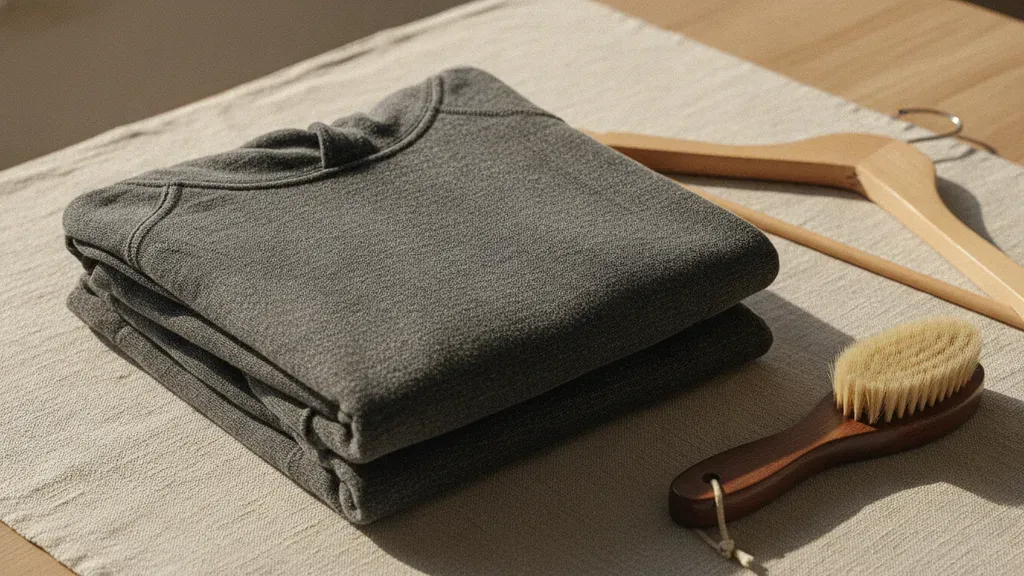
Care is part of responsible ownership. The most responsibly made hoodie still has an environmental and financial cost if it is worn only a few times. Keeping it comfortable, clean, and in good repair helps spread that cost across more wears. Always follow the care label first because the correct method depends on the final garment and its finishes.
- Wash only when needed. Air the hoodie out between wears when it is still clean and fresh.
- Use a gentle cycle. Cooler water and a suitable cycle can reduce stress on fibers, seams, and prints.
- Turn graphic hoodies inside out. This helps reduce friction on the printed surface.
- Avoid unnecessary high heat. Follow the label when drying. Heat can affect shrinkage, shape, and elastic fibers.
- Dry and store it well. Do not leave a damp hoodie crumpled in a hamper. Fold or hang it once fully dry.
- Repair small problems early. A loose thread or small seam issue is easier to address before it becomes a larger tear.
A durable wardrobe is not built from perfect products. It is built from informed purchases, repeat wear, and simple care. That is the practical difference a responsibly made hoodie can offer. It gives you enough information to choose thoughtfully, then rewards you for keeping the garment in use.
Shop Mindful Supply hoodies and outerwear
Frequently asked questions
What is a responsibly made hoodie?
A responsibly made hoodie is a hoodie supported by specific information about its materials, construction, manufacturing, durability, and care. It is not defined by one buzzword or one fiber. The brand should provide enough evidence for shoppers to understand what they are buying and how to keep it in use.
Are cotton-blend hoodies responsibly made?
They can be. A cotton blend is not automatically responsible or irresponsible. Evaluate the fiber percentages, why the blend was chosen, how the fabric and garment were made, the construction quality, and how transparent the brand is about the product's supply chain.
What makes a hoodie different from a regular sweatshirt?
A hoodie includes a hood, often with a lined interior and drawcords. A sweatshirt may have a crew neckline instead. Responsible production questions apply to both: check the material, construction, sourcing information, durability, and care guidance.
How do I know if an ethical hoodie claim is trustworthy?
Look for concrete details rather than broad claims. Check whether the brand names fibers, fabric weight, construction features, production stages, and care instructions. Be cautious when a product uses values language without explaining what those values mean in practice.
How should I care for a responsibly made hoodie?
Follow the garment's care label first. In general, wash only when needed, use a gentle cycle, turn graphic hoodies inside out, avoid unnecessary high heat, dry the garment fully, and repair small issues early. These habits help extend the hoodie's useful life.