

What Makes a Quality T-Shirt: A Complete Guide to Fabric, Fit, and Construction
A T-shirt can feel soft in the fitting room and still lose its shape, roughen, or fade after a few washes. The difference is rarely just the price tag. Fiber quality, fabric weight, construction, and printing all determine whether a tee becomes a dependable favorite or a short-lived purchase.
What makes a quality t-shirt is a combination of strong, well-processed fibers. A fabric weight suited to how you wear it, careful stitching, and finishes that stay comfortable over time. A $25 to $40 tee can be accessible premium when those details are clear and responsibly made.
Shop premium quality t-shirts at Mindful Supply
That evaluation starts before the collar is sewn or the graphic is printed. The cotton itself sets the foundation for softness, strength, and how well the finished shirt holds up. So it is worth looking closely at what the label actually tells you.
The Fabric Foundation: What Makes a Quality T-Shirt from the Fiber Up
When you are comparing t-shirts, the fiber is where quality begins. Cotton is not one uniform material. The length and condition of its fibers affect the yarn made from them, which in turn influences how a shirt feels, holds its shape, and wears over time.
Short-staple and long-staple cotton
Short-staple cotton has relatively shorter fibers. Those fibers can create a perfectly serviceable fabric, but they produce more fiber ends when spun into yarn. Long-staple cotton uses longer fibers that can be spun into smoother, stronger yarn with fewer loose ends. That difference is one reason long-staple cotton is commonly associated with a softer hand and a more refined finish.
Fiber length is not the only quality marker, but it is a useful starting point when a product description gives you enough detail to evaluate it. Rather than relying on phrases such as "premium feel," look for specific language about the cotton type and the spinning process.
Why combed ring-spun cotton matters
Ring-spun cotton is made by continuously twisting and thinning cotton fibers into a fine yarn. Combing adds another selection step. As documented in Mindful Supply's manufacturing story, the process removes shorter fibers that are more prone to breakage and impurities, leaving longer, stronger fibers behind. The result is a smoother, stronger yarn than standard cotton yarns that retain more short fibers. Learn more about the combed ring-spun process.
That construction helps explain why a shirt can feel noticeably softer without being flimsy. The yarn itself contributes to the surface feel, while the final fabric weight and garment construction also determine how substantial the finished tee feels.
Standard ring-spun versus Airlume
"Ring-spun" describes how the yarn is made, while "Airlume" identifies a premium cotton used in a particular fabric. They are related terms, not interchangeable ones. A standard ring-spun cotton tee can offer a smooth, comfortable foundation, while an Airlume combed ring-spun tee is positioned as a more premium option within that category. Supima is another example of a long-staple cotton designation shoppers may encounter. So always read the full fabric description rather than treating one label as a complete quality guarantee.
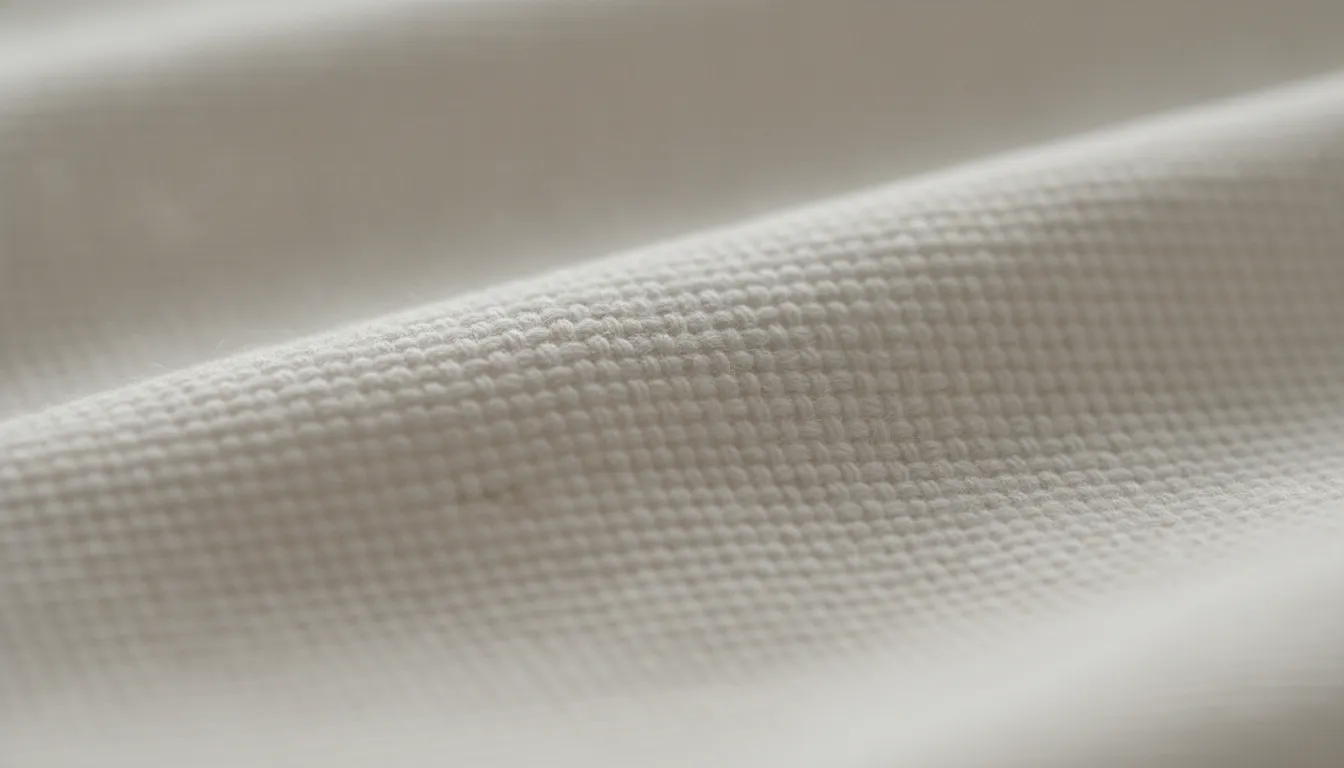
Mindful Supply's Classic Tee uses 100% U.S. combed ring-spun cotton and is priced at $25. The Signature Tee uses 100% U.S. Airlume combed ring-spun cotton, with a 6 oz. fabric weight, and is priced at $40. Both give you a clear fiber specification. The difference lets you choose between an accessible everyday foundation and a more substantial premium fabric, without reducing quality to price alone. For a deeper look at the difference between standard ring-spun and Airlume cotton, see our dedicated guide to what makes a quality t-shirt across Mindful Supply's full lineup.
How Does Fabric Weight Affect T-Shirt Quality?
Fabric weight is one of the clearest clues to how a T-shirt will feel, drape, and hold up over time. Manufacturers usually describe it in ounces per square yard, while GSM means grams per square meter. The measurements use different units, but both communicate the same basic idea: how much fabric is packed into the shirt.
Weight is not a stand-alone definition of quality. Fiber, stitching, and finishing matter too. Still, it helps you compare shirts when you are shopping online and cannot touch the fabric. One industry guide estimates that 95% of T-shirts sold online are designed to be replaced within 12 months. So understanding weight can help you look beyond a low initial price.
| Category | Weight in ounces | Approximate GSM | Typical feel and use |
|---|---|---|---|
| Lightweight | 3.0-4.5 oz | 140-160 GSM | Light, breathable, and easy to layer; often chosen for warm-weather basics. |
| Medium | 4.6-5.5 oz | Approximately 160-180 GSM | Balanced everyday coverage with more body than a lightweight tee. |
| Heavyweight | 5.6-7.0 oz | 180-220 GSM | More substantial, structured, and suited to frequent wear. |
| Super heavyweight | 7.1 oz and above | 240 GSM and above | Dense and structured, with a pronounced workwear or streetwear feel. |
These ranges are useful benchmarks, not rigid rules. A heavyweight shirt generally offers more durability than a standard lightweight retail tee. The cited weight guide places 5.6-7.0 oz shirts in an expected three-to-five-year range, depending on construction and care. It also reports that a 7.5 oz shirt contains 67% more fabric than a standard 4.5 oz retail tee. That extra material can create a denser hand and help a shirt keep its shape, but it may feel warmer and less flexible.
Where premium everyday tees fit
Most premium brands target roughly 180-200 GSM, the everyday premium range identified in GSM comparisons. Mindful Supply's Signature Tee is 6 oz, placing it in the heavyweight premium range at roughly 200 GSM. It combines that substantial feel with 100% U.S. Airlume combed ring-spun cotton and a fit designed for repeat wear. For many shoppers, a medium-to-heavyweight shirt is the practical middle ground: enough substance to feel dependable without the stiffness of a super heavyweight fabric. Our guide to the world of t-shirts breaks down how weight interacts with other fabric choices for different wardrobe needs.
When evaluating what makes a quality t-shirt, use weight as a starting point, then check the fiber content and construction details. A heavier fabric cannot compensate for weak seams or poor-quality yarn, but it is a meaningful signal when the rest of the garment is made with equal care.
Sources: HeavyTShirt fabric-weight guide; UrbanTheka GSM comparison.
What Should You Look For in T-Shirt Stitching and Construction?
Fabric quality is only part of the answer. A well-chosen cotton can still disappoint if the shirt is assembled with weak seams or minimal reinforcement. Construction details reveal how thoughtfully a tee was made, especially in the places that experience repeated pulling, washing, and movement. Academic research identifies weave structure and fabric construction as prime factors in a fabric's physical and qualitative properties. That relationship between construction and performance applies to the finished garment, not just the raw fabric.
Look for cover-stitched collars and sleeves
Check the collar edge and sleeve openings for a clean, secure line of stitching that holds the layers together. Cover-stitching helps these high-use edges resist stretching out of shape. That matters at the neckline, where a loose collar can make an otherwise good tee look worn long before the fabric itself is finished. It also matters at the sleeves, which move with your arms and are handled often when you put the shirt on or take it off.
Check the shoulder-to-shoulder tape
Shoulder-to-shoulder taping is a strip of reinforcement running across the inside of the shoulder seam, usually from one shoulder to the other. It helps stabilize the seam against the weight of the fabric and the repeated stress of movement. This is a small detail, but it can make the garment feel more substantial and help the shoulder line keep its shape over time. If product photography shows the inside of the shirt, look for this tape rather than assuming every tee has it.
Use side seams as a construction clue
Side seams tell you whether a shirt is built from shaped fabric panels or knitted as a tube. A tubular tee has no vertical seams at the sides. A cut-and-sew tee does, and those seams help the garment hold its intended shape instead of twisting or losing structure as it is worn and washed. Side seams are not a guarantee of perfect quality, but they are a useful marker when comparing similar shirts.
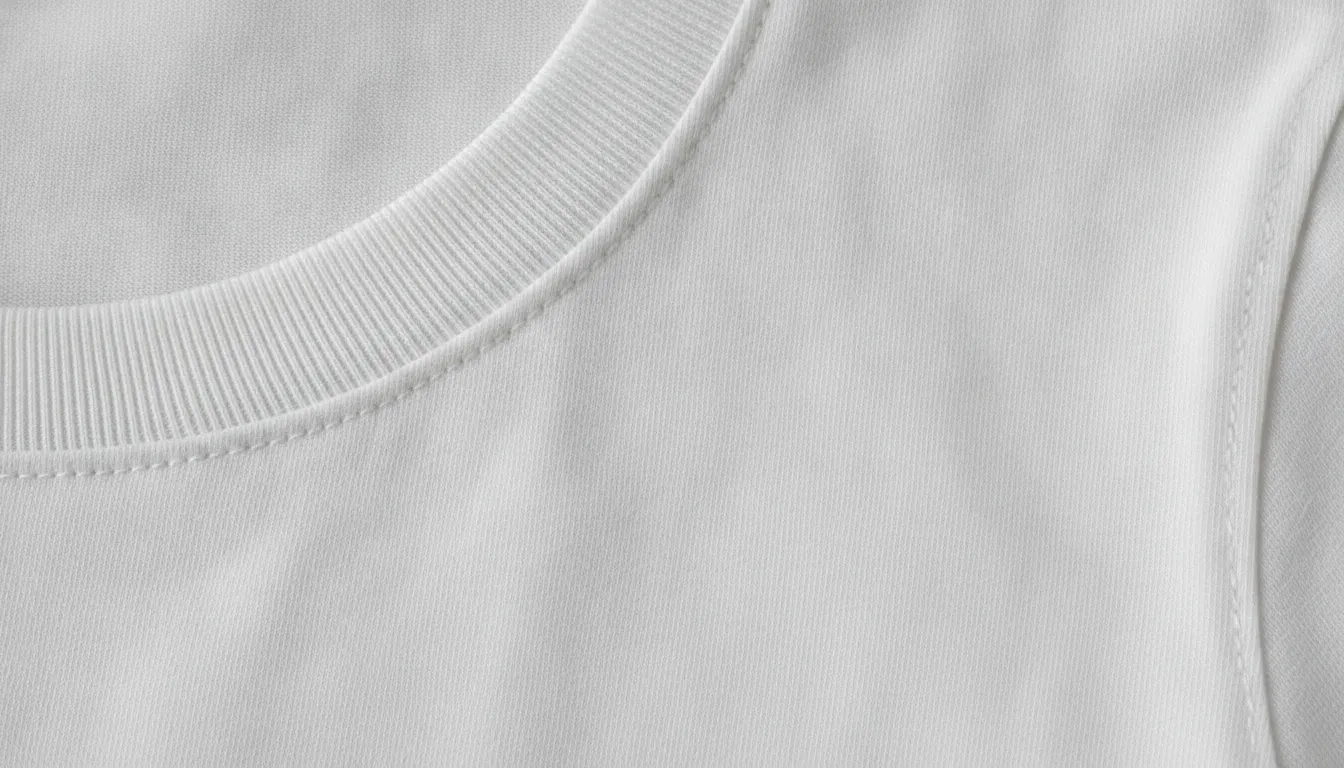
Mindful Supply tees feature all three details: cover-stitched collars and sleeves, shoulder-to-shoulder taping, and side seams. You can learn more about Mindful Supply's commitment to quality craftsmanship and the construction choices behind its responsibly made goods. When shopping online, these details give you something more reliable than a vague promise of premium quality: visible evidence of how the tee is designed to hold up.
Does the Ink Matter? Water-Based vs. Plastisol Inks
A graphic tee can have excellent cotton and careful stitching, yet still feel disappointing if the print is thick, stiff, or quick to show wear. The ink matters because it changes how the design feels against your skin. How much of the fabric's character comes through, and how the shirt looks after repeated washing.
Why water-based ink feels different
Water-based inks absorb into the fibers rather than forming a heavy layer on top of them. That gives the print a softer hand and lets more air move through the fabric. The result is a graphic that feels more like part of the shirt than a coating sitting above it. Mindful Supply uses water-based inks on its Signature Tee for that softer, more breathable finish. The brand's own product guidance identifies water-based inks as softer to the touch, eco-friendly, and more breathable than traditional plastisol printing methods.
That feel also changes with time. Water-based prints tend to fade more gracefully, developing a worn-in character instead of remaining rigid while the surrounding fabric changes. For a shirt you reach for often, that gradual aging can look natural and intentional. It is one small detail that helps explain what makes a quality t-shirt feel better beyond the first wear.
How plastisol printing compares
Plastisol ink sits on top of the fabric. It can produce a bold, opaque graphic, but the raised surface may feel heavier and less breathable, especially across a large design. As the print is washed and flexed, plastisol can crack over time. That does not make every plastisol-printed shirt a poor choice, but it is worth considering when comfort, softness, and a more natural aging process are priorities.
You can explore Mindful Supply's water-based screen printing on the Signature Tee, where the print method complements the premium 6 oz. Airlume combed ring-spun cotton. The Classic Tee adds another considered detail: its dyes are Blue Sign certified and described by the brand as eco-friendly. Together, the fabric and printing choices show that quality is not only about how a shirt looks on a product page. It is also about how thoughtfully the garment feels, wears, and settles into your everyday life. For a full comparison of printing methods and how they affect garment longevity, see our guide to eco-friendly clothing brands that prioritize print quality and material transparency.
Responsibly Made: The True Cost of Quality
A quality t-shirt is shaped by more than the fabric you feel in your hands. It also reflects how carefully each stage of production is managed. Mindful Supply follows a transparent, dirt-to-shirt path that begins with cotton grown in North Carolina. The cotton is dyed and printed in Burlington, NC, then sewn in Hemingway, SC, or in Nicaragua for the Classic Tee. That shorter, visible supply chain makes it easier to stay close to the work and maintain meaningful quality oversight. Manufacturing location and supply chain transparency can also be important indicators of ethical production standards in the garment industry.
That story is not a substitute for construction details, but it adds useful context to them. When a brand can explain where its cotton comes from, where printing takes place, and where sewing happens, shoppers have a clearer basis for evaluating what they buy. Mindful Supply's NC and SC supply chain supports more than 700 American workers. Connecting the finished shirt to people and communities rather than treating production as an invisible step. Learn more in our article about what is responsibly made clothing.
Accessible premium, not luxury pricing
Responsible production does not have to mean a luxury price tag. Mindful Supply's Classic Tee costs $25 and uses 100% U.S. combed ring-spun cotton. Its Signature Tee costs $40 and uses 100% U.S. Airlume combed ring-spun cotton in a 6 oz. fabric weight. Those prices sit in an accessible premium range: high enough to support thoughtful materials and construction, but still realistic for everyday wear.
The difference between the two options gives shoppers room to choose the level of finish that fits their wardrobe and budget. Either way, the goal is a shirt made with clear information, considered materials, and a supply chain the brand is willing to show. Explore Mindful Supply's responsibly made t-shirts to see how the process comes together.
Quality with a wider purpose
The purchase also carries beyond the garment itself. At checkout, customers can choose from six charity partners, directing part of the brand's giving toward a cause they care about through our giving program. Mindful Supply's partnership with Mindful.org reinforces that broader focus on mindful living, community, and intentional choices. In practical terms, what makes a quality t-shirt is a combination of fiber, construction, print, and accountability. Knowing who made it and how the value is shared is part of that quality assessment. Discover more brands that share this philosophy in our roundup of premium apparel brands worth the investment.
How to Shop for a Quality T-Shirt Online: A Step-by-Step Guide
Shopping online means you cannot pinch the fabric, inspect a seam, or try the shirt on before paying. You can still make a thoughtful choice by treating the product page like a quality checklist. Look for specific construction and sourcing details, not just words such as premium or elevated.
-
Read the fabric content label
Start with the fiber breakdown. For a substantial everyday tee, look for 100% cotton and terms such as combed or ring-spun. Combing removes shorter fibers that are more prone to breakage and impurities, leaving a smoother, stronger yarn, according to Mindful Supply's manufacturing overview. Blends can have useful performance characteristics, but a vague description that never identifies the fiber content makes the garment harder to evaluate.
-
Check the fabric weight
Weight is usually listed in ounces or GSM. As a practical starting point, look for 5.5 to 7.0 ounces, or roughly 180 to 220 GSM, when durability and structure matter. Heavyweight fabrics in the 5.6 to 7.0 ounce range are associated with an estimated three to five years of wear in one quality guide. Although care and frequency of use affect any garment's lifespan. Weight is not the same as quality by itself, but it is a useful signal. A 6 ounce tee, for example, should feel more substantial than a lightweight promotional shirt. For a deeper comparison of fabric weights across brands, read our guide to affordable ethical clothing brands that balance weight, durability, and cost.
-
Examine construction details in the photos
Zoom in on the collar, shoulders, hem, and side profile. Look for side seams, a cover-stitched collar, and shoulder-to-shoulder taping. Side seams can help a shirt hold its shape, while reinforced collar and shoulder construction can make high-wear areas more dependable. If product photography never shows these areas, look for a detailed specifications section or contact the brand before ordering.
-
Find out how the graphic is printed
For a graphic tee, printing affects both comfort and appearance. Water-based inks feel softer and allow more breathability than traditional plastisol methods, as Mindful Supply explains in its product information. A product page that names the ink or printing method gives you more useful information than one that only promises a high-quality graphic.
-
Research the brand's supply chain
Manufacturing location and supply chain transparency are meaningful quality signals. A brand that shares where materials are sourced and garments are made gives shoppers something concrete to assess. Look for details about the cotton, dyeing, printing, sewing, and the people involved. Mindful Supply's transparent supply chain information follows the shirt beyond the finished product.
-
Use price as one signal, not the whole answer
A very low price may reflect lighter fabric, simpler construction, or limited information about production. A $25 to $40 tee from a transparent brand can be a more sensible accessible-premium choice than a $12 fast-fashion shirt that is designed for short-term use. For a concrete comparison, review the Classic Tee ($25), then compare its listed fiber content and construction details with other shirts you are considering.
No single specification answers every question about what makes a quality t-shirt. Taken together, the fiber, weight, construction, print method, sourcing details, and price give you a much clearer picture before you click Add to Cart.
Frequently Asked Questions
What makes a t-shirt high quality?
A high-quality t-shirt combines a thoughtful fabric composition, consistent weight, and durable construction. Look for combed or ring-spun cotton, carefully finished collars, secure seams, and stitching that remains even around stress points. The best choice also matches your priorities for comfort, longevity, print feel, and responsible production.
How can you tell if a t-shirt is good quality?
Start with the fabric label, then check the listed weight and construction details. Ring-spun or combed cotton is a useful quality marker. Examine the collar and sleeve stitching for clean, secure finishing, and look for side seams that help the shirt hold its shape. Product specifications should also explain the fiber content rather than relying only on vague words such as premium.
Does fabric weight determine t-shirt quality?
Fabric weight is an important clue, but it does not determine quality by itself. A heavier shirt can feel more substantial and durable, while a lighter shirt may be more comfortable in warm weather. For an everyday premium tee, medium-to-heavyweight fabric around 5.5 to 7 ounces is a practical range. Fiber quality and construction still matter just as much.
What is the best fabric for a quality t-shirt?
For a balance of softness, strength, and everyday wear, 100% combed ring-spun cotton is a strong choice. Long-staple cotton fibers can produce smoother, stronger yarn, while combing removes shorter fibers and impurities. The right fabric also depends on the intended use, climate, and preferred drape, so fiber content and weight should be considered together.
Why do premium t-shirts cost more?
Premium pricing can reflect better raw materials, more careful construction, and production practices that support workers and supply-chain transparency. Price is only a signal, not proof of quality, so compare the fabric, weight, stitching, printing method, and manufacturing information. A well-made shirt may cost more upfront while offering better comfort and longer wear.
Ready to choose a quality t-shirt?
When fabric, construction, and responsible manufacturing all matter, choosing a thoughtfully made tee can make everyday wear feel more considered. Shop responsibly made t-shirts from Mindful Supply to compare premium options and find a style that fits how you want to live and dress.