

What Are Water-Based Inks on T-Shirts and Why Are They Better?
A thick, stiff graphic print on a soft cotton tee ruins the entire feel of the shirt. This heavy layer of plastic happens when makers use common, cheap inks that sit on top of the fabric.
Shop the Signature Tee collection to feel the soft, breathable water-based ink difference yourself.
Water-based inks on t-shirts use water to carry dyes directly into cotton fibers rather than sitting on top as a thick plastic layer. As shown in academic research, this clean printing process creates a soft, breathable design that becomes a permanent part of the fabric. Because the ink sinks into the yarn, the design will not peel, crack, or wash away, even after many years of heavy wear. Using these water-soluble dyes also helps our brand avoid the heavy plastic and harsh chemicals that are common in traditional textile factories. Our printing partner, TS Designs in Burlington, North Carolina, uses this exact method to show what responsibly made clothing really means for your wardrobe.
If you want to know how these ink types compare on your favorite garments, you must look at the science behind the printing press. In the section below we break down how both printing methods actually work, then walk through what each feels like to wear.
Plastisol vs Water-Based Inks: What Is the Actual Difference?
When you buy a graphic tee, the type of ink makes a big change in how the shirt feels. Most print shops use plastisol ink, which is a plastic-based paint. Other makers choose to use water-based inks on t-shirts to get a much softer feel.
Ink composition and chemistry
Plastisol ink is made of PVC plastic and liquid plasticizer. This ink does not dry on its own; it needs high heat to cure. In contrast, water-based inks use a water solvent to carry dyes or pigments. When the water evaporates, the pigment stays behind and sets. This means the chemistry of each ink is very different. One is a layer of melted plastic, while the other is a liquid dye. This difference sets the final look and feel of your custom apparel.
How ink interacts with cotton fibers
The big difference between these two inks is how they sit on fabric. Plastisol ink sits on top of the cotton as a heavy, solid sheet. This thick layer blocks air, which can make the shirt feel hot and stiff. On the other hand, water-based inks soak directly into the cotton fibers. The print becomes part of the shirt fabric rather than a plastic cover.
Because of this, the print is thin and lets air flow through. It also gives the garment a soft print that you can barely feel. This makes the shirt highly breathable and pleasant to wear for a long day.
| Feature | Plastisol Ink | Water-Based Ink |
|---|---|---|
| Base Material | Plastic PVC polymers | Liquid water solvent |
| Fabric Interaction | Sits on top of fibers | Absorbs into cotton fibers |
| Texture and Feel | Thick, heavy, and rubbery | Soft, light, and natural |
| How It Cures | Requires high heat to cure | Requires water to evaporate |
Water-based printing at TS Designs
Choosing water-based inks is a key part of how we make our goods. Our local partner, TS Designs, prints our shirts in Burlington, NC. We focus on premium printing processes to ensure your shirt feels great and lasts a long time. By using this local and responsible method, we support American workers while keeping our products soft, light, and comfortable.
Why Water-Based Inks Feel Softer After Washing
How water-based inks bind with cotton
When you buy a graphic tee, you want it to feel good on your skin. Old-school prints use thick plastic ink that sits on top of the fabric. This layer blocks air and feels stiff. In contrast, water-based inks use water as a solvent to carry dyes. This allows the pigments to sink deep into the cotton fibers rather than coat them.
Because the ink sinks into the shirt, the print becomes part of the fabric. This technique allows for a lighter feel on the skin, which many people prefer for daily-wear t-shirts. Textile tests show that this water mix helps the pigment bind to the cotton. You can read about this science in a study on textile printing.
Why washed prints do not crack or peel
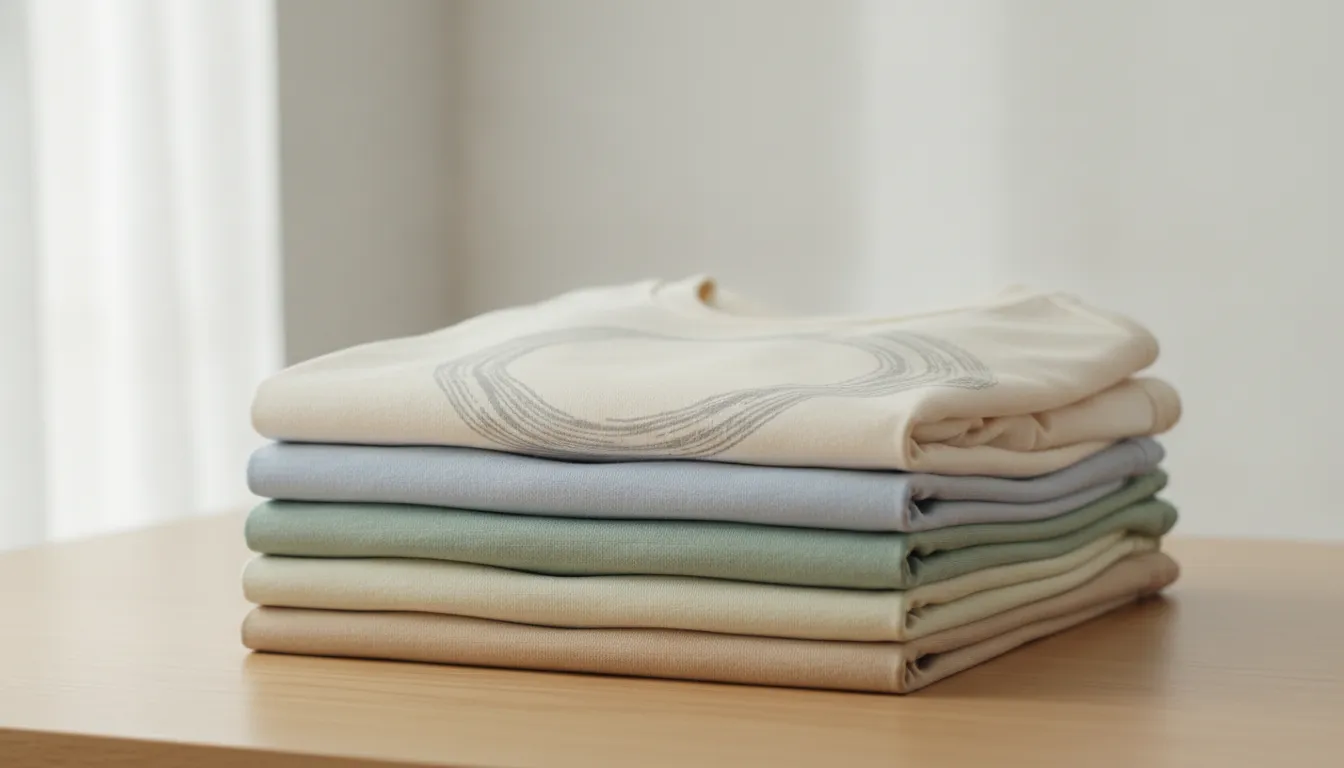
When you wash a standard plastic-print shirt, the design can start to degrade. The plastic layer is stiff, so it cracks and peels as the fabric flexes. Since water-based inks penetrate fabric fibers, they are highly durable. They do not crack or peel over time like thick plastisol prints. Instead, the print stays soft and smooth even after dozens of washes.
This long-lasting quality is a key part of our printing processes. Because water-based inks are thinner than plastisol, they allow the texture of the cotton fabric to remain visible through the print. You can see and feel the fabric itself. The shirt will age gracefully, getting even softer with each wash without losing its crisp design.
Do water-based inks fade on shirts?
Yes, prints made with water-based inks on t-shirts can fade slightly over time, but they do so in a unique way. Instead of cracking like plastisol, these inks wear down with the fabric. This creates a soft, vintage look that many people love. The design stays clean and readable, but it blends into the shirt for a worn-in feel.
Shop water-based ink essentials and choose a tee that gets softer, not stiffer, with every wash.
Are Water-Based Inks on T-Shirts Better for the Environment?
Many screen print shops use plastisol ink, which is made of plastic. Choosing water-based inks on t-shirts helps reduce the use of these plastic-based processes. These inks soak right into the cotton fibers of the shirt instead of sitting on top. This choice is a key step toward responsibly made apparel. It makes a better shirt for you and the planet.
No heavy plastics or phthalates
Common plastisol inks contain PVC plastic and chemical softeners called phthalates. These chemicals can harm the earth and are not good for human health. This choice keeps these bad things out of our soil and water. Water-based inks do not use these heavy plastics.
Instead, they use water as a liquid base to carry the color dye. A study on ink solvents shows that water replaces the plastic base found in older ink types. This switch keeps harmful plastics out of the waste stream and off your clothing. It also means the fabric stays soft and light to wear.
Safer water-soluble cleanup
Clean-up is also much simpler when you print with water. Because these inks dissolve in water, printers do not need strong chemicals to wash their screens. They can clean up with plain water and mild soap. This safe process makes a big difference for the print shop environment.
Cleaning plastisol screens needs harsh solvents and mineral spirits. These strong chemicals can end up in the local water supply and pollute the soil. It also keeps toxic fumes out of the air inside the shop. Using water-based ink makes the print shop a safer place for workers and helps protect local streams.
Lower chemical footprint for screen printing
The total chemical footprint of garment printing goes down when shops make this change. Water-based printing avoids heavy screen-printing inks that often have higher impacts on the earth. This choice supports a cleaner, safer way to make clothing. It ensures that the graphic tees you wear are made with care for both people and the planet. By choosing these shirts, you help protect our soil and water.
What Water-Based Printing Looks Like in Practice
To see how we get soft prints, we can look at how shops use water-based inks on t-shirts. It mixes art with simple chemistry to make soft shirts that last. Unlike heavy plastic inks, these wet dyes blend into the fabric. This lets your skin breathe and keeps the shirt light.
The Screen Printing Workflow
The print shop must follow a careful path to apply the wet ink. Each step is key to a clean design. Here is how the process works on the shop floor.
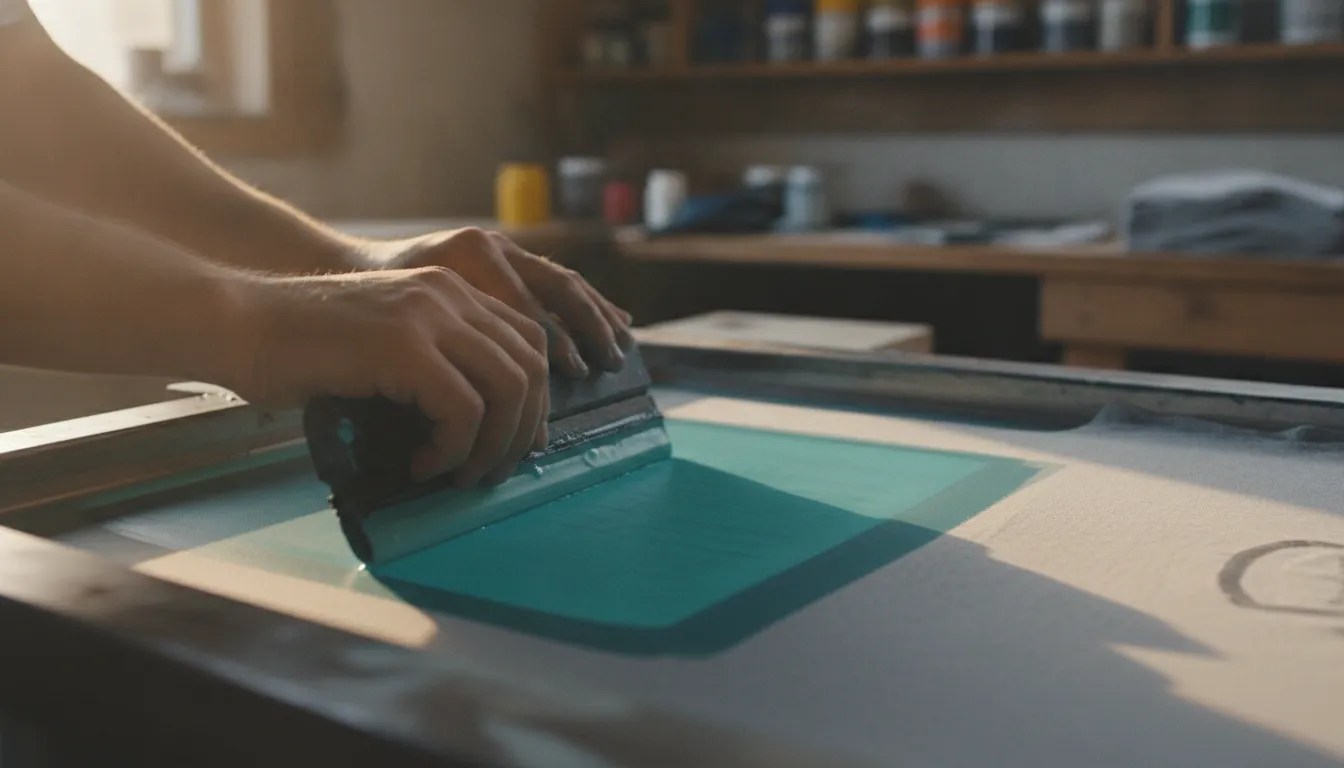
- First, the shop sets up the mesh screen. The printer coats the mesh with a light-safe block to create the shape of the design. This screen template controls where the ink will pass through.
- Next, the shop presses the wet ink through the open mesh onto the cotton. The ink sinks deep into the cotton fibers. It does not sit on top like a layer of plastic, which makes the print feel heavy.
- Then, the wet print must cure. The print needs the evaporation of water to set. This curing can happen in room air or inside a hot dryer based on the ink.
A Local Printing Partner
Mindful Supply uses water-based inks as a core part of our responsibly made apparel strategy. We choose these inks because they are soft and gentle on the earth. They fit our goal to make clothes you can feel good about wearing every day.
To bring these designs to life, we partner with TS Designs in Burlington, North Carolina. This local shop has deep skill in these printing processes. Working with them helps us support local textile jobs. It also keeps our garment work right here in the U.S. where we can watch every step.
How Do Printers Prevent Clogging?
Water-based inks dry fast, which can clog the screens. Because of this, printers must manage the screen-printing gear with great care. If they do not watch the ink, it can dry and ruin the design. Printers must watch the screen and keep the ink wet during the entire print run.
How to Tell Which Ink Type Your T-Shirt Uses
You can quickly find out what kind of ink is on your best graphic tee with a few quick tests. Knowing the ink type helps you judge the quality and comfort of the garment. While some prints feel heavy and thick, others are so soft they feel like part of the fabric itself.
The Touch and Flex Test
The easiest way to tell the difference is to close your eyes and run your fingers over the design. According to a study on textile printing techniques, water-based inks offer a softer feel on t-shirts. This is because they dye the cotton fibers rather than sitting on top. If the print feels like a thick, rubbery layer of plastic, the maker used traditional plastisol ink. A print made with water-based inks on t-shirts is barely felt by the hand.
You can also gently stretch the fabric where the design is printed. Plastisol will resist the stretch and may even crack, but water-based ink moves and flexes with the cloth.
The Sheen and Breathability Check
Another way to check is to look at the print under a bright light. Plastisol ink has a slight shine or gloss because it is made of plastic. Water-based ink has a flat, matte finish that blends right into the shirt. Since water-based ink does not block the weave of the cloth, air can pass through the design. If you hold the shirt up to the light, you can see if the print blocks the fabric pores.
Here are three quick ways to check your shirt:
- The Touch Test: Feel if the print is soft and thin, or thick and rubbery.
- The Flex Test: Stretch the design to see if it moves easily or resists.
- The Light Test: Look for a matte finish that lets air flow through.
Reviewing the Maker's Printing Details
When looking for premium shirts, checking how a brand handles its printing processes can tell you a lot about the shirt's overall quality. Brands committed to what responsibly made clothing really means for your wardrobe will often share details about their ink choices online. You can look at the tags or visit the maker's website to read about their methods. Quality brands prefer to share their steps to show they care about comfort. This helps you make a mindful choice for your wardrobe.
Ready to try water-based inks on t-shirts? Shop the Signature Tee collection and feel the softer print for yourself.
Frequently Asked Questions
Are water-based inks better than plastisol?
For most graphic tees, yes. Water-based inks are much thinner and softer than plastisol. According to an academic study on textile printing, water-based inks use water to carry pigment instead of plastic. This gives the shirts a lighter feel on your skin, makes them breathe better, and avoids the heavy chemicals found in plastic inks.
Are water-based screen printing inks eco-friendly?
Yes, water-based inks are much safer for the planet. According to the Mindful Supply About Page, water-based inks are a key part of making clothing responsibly. They use water to carry the color instead of plastic. This means they do not contain harmful chemicals like phthalates, and they clean up easily with water.
Why use water-based inks for printing apparel?
Water-based inks offer a soft feel and let the fabric breathe. Common plastisol inks sit on top of the shirt as a thick layer of plastic. In contrast, water-based ink sinks deeply into the cotton fibers. This makes the design feel like part of the shirt, so it is soft to wear all day.
Do water-based inks fade on shirts?
Yes, water-based inks can take on a soft, vintage fade over time. Because the ink dyes the cotton fibers itself, washing the shirt slowly softens the print. Unlike plastisol, water-based prints do not crack or peel. They stay soft and let air pass through for the life of the shirt.
Ready to feel the water-based ink difference?
Keeping heavy plastic prints means dealing with shirts that crack, peel, and trap heat on your skin. Choosing stiff prints makes daily wear less soft and leads to shirts that do not last. Switching to shirts printed with water-based inks gives you lasting softness and real breathability. These shirts feel light, look great, and stay soft after many washes. They are made to keep you cool and dry all day long. You do not have to wait to start wearing better clothes when you can make the switch today.
Ready to feel the difference? Shop the Signature Tee collection to feel the softer, responsibly made print yourself.