

American Made Clothing Supply Chain: Supporting 700+ Workers
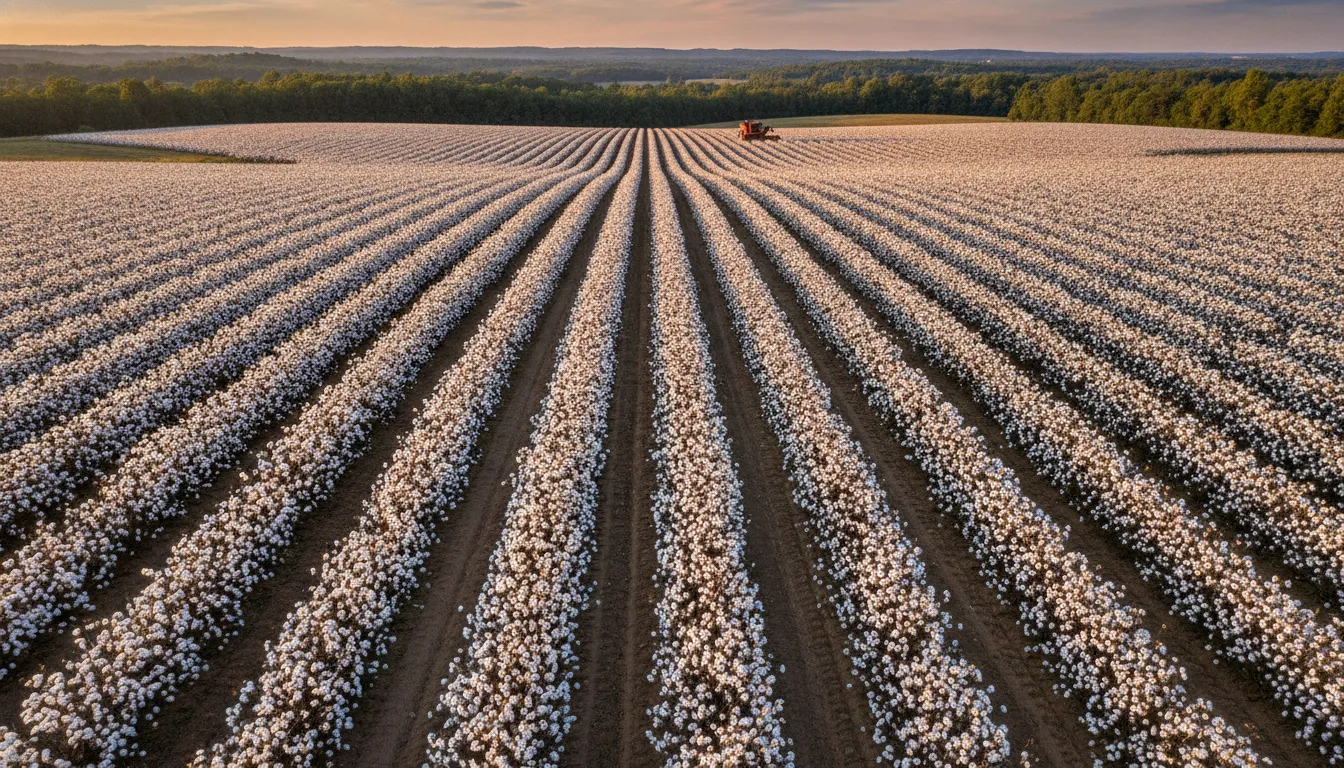
A T-shirt can carry more than a graphic. It can connect a North Carolina cotton farm with the mills, dyers, printers, and sewing teams that turn raw fiber into something you can wear for years. For Mindful Supply, that connection is not a vague promise. It is a traceable regional process built around real people and responsible choices.
An american made clothing supply chain can support communities when materials and manufacturing stay connected: Mindful Supply sources 100% U.S. cotton from North Carolina farms and supports more than 700 American jobs across its NC/SC supply chain. From farming to apparel sewing. Learn what responsibly made means in practice.
Shop Responsibly Made Tees at Mindful Supply
That journey is worth following step by step, because each stage adds context to the finished tee and the people behind it. It begins with cotton grown close to home, then moves through a network of regional partners before the garment reaches you.
From NC Cotton Farm to Finished Tee: The Full Mindful Supply Journey
Mindful Supply traces its entire supply chain from North Carolina cotton farms through regional partners in the Carolinas, supporting more than 700 American jobs. Each stage, from ginning and spinning to knitting, finishing, cutting, sewing, and printing, stays connected to specific facilities and skilled workers across the region.
A finished tee can look simple, but its story is anything but. Mindful Supply traces each major stage from North Carolina cotton to the finished garment. Keeping the journey connected to real farms, mills, textile workers, and makers across the Carolinas. That transparency is part of what does responsibly made mean in practice.
Here is how this American made clothing supply chain moves from raw cotton to a wearable tee:
- North Carolina cotton farmer. The journey begins with 100% U.S. cotton sourced from North Carolina farms. Starting close to home keeps the first link in the chain connected to the region where much of the later textile work takes place.
- Gin. After harvesting, the cotton goes to a gin. Ginning separates the useful fiber from the seed and prepares the cotton for the next stage, turning a harvested crop into material that can move through textile production.
- Spinning mill. The prepared cotton travels to a spinning mill, where the fibers become yarn. This step gives the raw material the consistency and strength needed to create dependable fabric.
- Alandale Knitting in Troy, North Carolina. The yarn is knitted into fabric at Alandale Knitting. Keeping this work in North Carolina makes the supply chain more than a label claim. It creates a visible connection between regional agriculture and regional textile manufacturing.
- Fabric finishing. The knitted material is finished so it has the hand, weight, and performance expected from a comfortable tee. Mindful Supply also uses Blue Sign certified dyes in its manufacturing process, grounding its approach in a specific production choice rather than vague sustainability language.
- Hemingway Apparel in Hemingway, South Carolina. The finished fabric moves south to Hemingway Apparel, where it is cut and sewn into a garment. This stage supports skilled apparel work in South Carolina and gives the tee its final form.
- TS Designs in Burlington, North Carolina. The garment then returns to North Carolina for dyeing and printing at TS Designs in Burlington. The result is a finished Mindful Supply tee shaped by a connected NC/SC network, not an opaque series of unknown steps.
Across this journey, Mindful Supply supports more than 700 American jobs, from cotton farming through apparel sewing. You can explore the full American made clothing supply chain and see how each partner contributes to a tee made with intention.
At checkout, you can also direct a portion of your purchase to one of six charity partners including Reconsidered Goods in Greensboro. A nonprofit creative reuse center that diverts materials from landfills. That customer-directed giving program is another way each purchase creates positive impact beyond the garment itself.
Why the Carolinas? The History of U.S. Textile Manufacturing
The Carolinas became the heart of American textile manufacturing by keeping cotton growing, ginning, yarn production, knitting, dyeing, cutting, and sewing within a connected regional network. The U.S. Trade Representative describes this as the "heartbeat" of the nation's domestic apparel supply chain, where agricultural and textile expertise reinforce each other.
The Carolinas became the heartland of American textiles because the region brought several parts of the work close together. Cotton could move from nearby farms to gins, yarn producers, knitters, dyers, cutters, and sewing teams without crossing the country at every stage. That proximity created a practical network, not just a collection of individual factories.
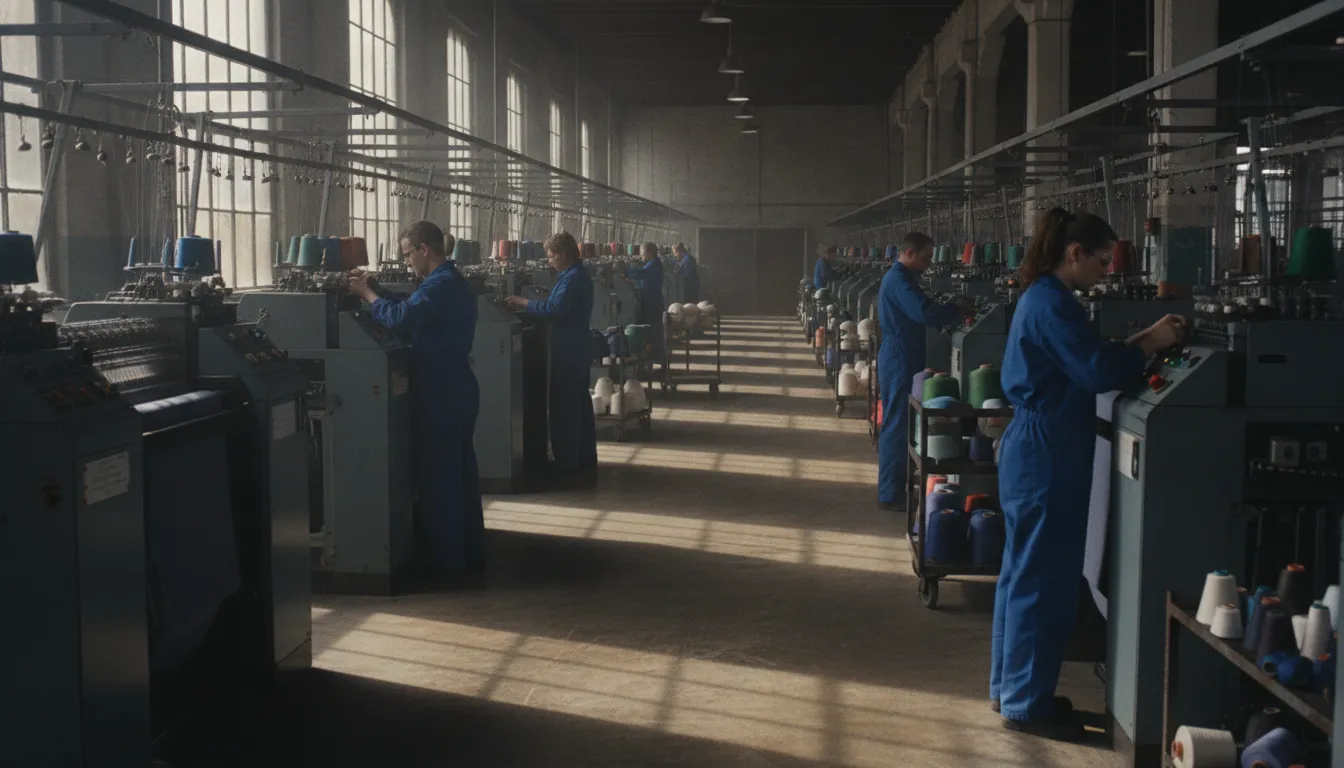
The U.S. Trade Representative describes the Carolinas as the "heartbeat" of the nation's domestic apparel supply chain. Its account shows the regional relationship clearly: cotton growers send fiber to neighboring gins. Gins send material to nearby yarn producers, and that yarn moves through local knitting, dyeing, cutting, and sewing operations. The result is a connected manufacturing ecosystem where agricultural and textile expertise reinforce one another.
That regional synergy helps explain why the Carolinas became more than a place where fabric was made. The area developed the specialized infrastructure, skilled workforce, transportation connections, and supplier relationships needed to keep production moving. Textile producers such as Milliken and Company and Unifi are part of the broader industrial story, supporting capabilities in yarn, materials, dyeing, and manufacturing.
This history also matters to the modern american made clothing supply chain. Domestic production declined significantly as apparel manufacturing moved overseas, but it did not disappear. The U.S. International Trade Commission reports that reshoring in apparel has occurred on a modest scale in recent years. As industry participants continue evaluating ways to rebuild domestic capacity and competitiveness. The Carolinas remain well positioned for that work because the regional relationships are already there.
American Giant offers a useful point of comparison. Its apparel story also begins with North Carolina cotton and follows a similar regional pipeline. Showing how the Carolinas' established network can support contemporary brands as well as legacy textile manufacturers. Mindful Supply's model is part of that same larger tradition. You can follow the steps in our regional textile supply chain, from American-grown cotton through the people and places that turn it into a finished garment.
Shop Mindful Supply Tees and Support American Jobs
How 700+ American Workers Are Supported by Each Purchase
Mindful Supply's supply chain connects more than 700 American workers across farms, gins, spinning mills. Knitting facilities, dyeing and printing teams, and apparel sewers in North Carolina, South Carolina, Georgia, and Texas. Each purchase helps sustain these roles and the families that depend on them.
The number 700 can sound abstract until you follow a single tee through the people who help bring it to life. Mindful Supply's supply chain connects farms, mills, knitting facilities, dyeing and printing teams, and apparel sewers. Each purchase helps keep work moving through that network and supports the families behind it.
From cotton farming to finished fabric
The journey begins with J&K Whatley Farms, a fourth-generation cotton farm in Texas. From there, Smith Gin Co-Op prepares the cotton for the next stage. Buhler Yarns in Jefferson, Georgia, turns that cotton into yarn. The facility has 32,000 spindles and employs 300 people, making the scale of textile work easier to picture. This is not an anonymous factory line but a community of skilled workers whose roles are connected.
That yarn continues to Alandale Knitting in Troy, North Carolina, where it becomes fabric. Hemingway Apparel in South Carolina handles sewing, while TS Designs in Burlington, North Carolina, supports dyeing and printing. The result is a chain with distinct hands and responsibilities at every step: the farmer, the ginner, the spinner, the knitter, the sewer, and the dyer.
Why the network matters
Mindful Supply supports more than 700 American jobs across its North Carolina and South Carolina supply chain, from cotton farmers to apparel sewing teams. The company's supply-chain overview documents that scope, while the what does responsibly made mean guide explains why tracing those steps matters.
This is the human meaning behind an american made clothing supply chain. A purchase does not support one isolated maker. It helps sustain a web of agricultural, textile, and apparel work across multiple communities. That transparency gives shoppers a clearer way to connect what they wear with the people and families who helped make it.
What an American Made Clothing Supply Chain Means for the Shopper
A transparent supply chain lets shoppers trace a garment from farm to finished product, including the people and places behind every stage. Mindful Supply shares its entire NC/SC network, from North Carolina cotton farms to South Carolina sewing facilities. Giving customers a clear picture of how their purchase supports American textile work.
Transparency changes what "made" means on a clothing label. Instead of stopping at a country name, a shopper can follow a garment through the people and places involved in making it. For Mindful Supply. That path begins with 100% U.S. cotton from North Carolina farms and continues through the regional textile network to the South Carolina facility that assembles the finished garment.
That level of detail is unusual in fashion. Many brands share limited information about their suppliers, leaving shoppers unable to see where fiber was grown, where fabric was made, or who handled the sewing. An open supply chain does not claim that every step happens in one building. It makes each step visible, including the parts that take place across state lines and regional partners.
The Carolinas are well suited to this kind of connected manufacturing. The U.S. Trade Representative describes the region's synergy as a relationship linking cotton growers with nearby gins, yarn producers, knitters, dyers, and sewing teams. When those steps remain connected, a purchase can support more than the final apparel maker. It helps sustain the network that makes domestic production possible.
Why the details matter at checkout
Knowing a garment's route gives shoppers a better basis for deciding what their money supports. Mindful Supply's full-chain transparency is a core differentiator, with more than 700 American jobs supported across its NC and SC supply chain. Read Mindful Supply's mission for the broader commitment, or explore the story behind its responsibly made goods.
Every purchase is also a signal. When shoppers consistently choose brands willing to show their sourcing and manufacturing relationships, they create demand for more visible, capable domestic production. That does not transform the apparel industry overnight. But it gives regional makers a reason to keep investing in the skills, facilities, and partnerships that support American made clothing.
Why We Say 'Responsibly Sewn in Nicaragua' Instead of Hiding It
Mindful Supply names every meaningful step in its supply chain, including the Classic Tee's responsibly sewn construction in Nicaragua. Instead of using a simplified "made here" label, the company shares the full path: U.S. cotton. U.S. fabric production, Blue Sign certified dyes, and final assembly abroad, so shoppers can make informed choices.
Radical honesty means naming every meaningful step, including the one that does not fit a simple "made here" label. Our Classic Tee uses 100% U.S. combed ring-spun cotton, with fabric made in the United States, then responsibly sewn in Nicaragua. We say that plainly because shoppers deserve the whole story, not a carefully cropped version of it.
That distinction matters when you are researching an american made clothing supply chain. Cotton origin, fabric production, sewing, dyeing, and printing are separate parts of a garment's journey. A brand may highlight one domestic step while leaving offshore finishing unclear. We prefer to show the complete path and let you decide what responsible purchasing means for you.
| Detail | Classic Tee | Signature Tee |
|---|---|---|
| Cotton source | 100% U.S. cotton | 100% U.S. cotton |
| Fabric origin | Made in the USA | Made in the USA |
| Fabric weight | Not specified | 6 oz. |
| Sewing location | Nicaragua | USA |
| Dyes and inks | Blue Sign certified dyes | Blue Sign certified dyes and water-based inks |
| American jobs supported | 700+ across the supply chain | 700+ across the supply chain |
The Signature Tee is sewn in the USA, while both tees reflect our U.S.-first sourcing approach. Our partnership with Mindful.org reinforces why this level of clarity matters: mindful choices begin with paying attention. No garment is made more responsibly by hiding a complicated step. It is made more responsibly when the people, materials, and process are acknowledged.
Frequently Asked Questions
What defines a transparent American-made clothing supply chain?
Transparency means being able to trace a garment through meaningful steps, from the farm and cotton gin to spinning, fabric production, dyeing, printing, and sewing. It also means naming the regions and partners involved instead of treating "made in America" as a single, unexplained label. Mindful Supply shares this path through its NC/SC supply chain, which supports more than 700 American jobs across farming, textile production, and sewing (Mindful Supply).
How does U.S.-grown cotton benefit the supply chain?
U.S.-grown cotton keeps the beginning of the process connected to American agricultural communities. Mindful Supply sources 100% U.S. cotton from North Carolina farms, then follows it through regional textile and apparel partners. That approach makes the material's origin easier to understand and keeps the story grounded in specific people and places, rather than broad claims about responsible production (Mindful Supply).
Where is the cotton grown for Mindful Supply clothing?
The cotton is sourced from farms in North Carolina. From there, it moves through steps that include ginning, spinning, fabric making, and apparel production. Depending on the product, later stages connect North Carolina and South Carolina textile workers, including regional sewing teams. This farm-to-garment path is the foundation of Mindful Supply's responsibly made approach.
Why is regional manufacturing important for responsibly made apparel?
Regional manufacturing creates closer relationships among cotton growers, ginners, yarn producers, knitters, dyers, and sewers. The U.S. Trade Representative describes this Carolinas network as a connected domestic apparel system, where materials can move between neighboring agricultural and manufacturing communities (U.S. Trade Representative). For shoppers, that regional structure makes it easier to see how a purchase supports real work across the supply chain.
Ready to Shop Responsibly Made Tees?
When you choose Mindful Supply, your purchase connects with a more transparent apparel journey and the people who help make it possible. Each tee you buy supports more than 700 American workers from NC cotton farms to finished garments. Shop the collection to find a responsibly made tee that reflects your values and everyday style. Browse all tees at Mindful Supply.