

What Is Combed Ring-Spun Cotton and Why Does It Feel Better?
A T-shirt can feel soft on day one and still turn rough, misshapen, or fuzzy after a few washes. That difference often begins long before the fabric reaches a sewing table, with how the cotton fibers are prepared and spun into yarn.
Shop Classic Tees made from 100% U.S. combed ring-spun cotton
So, what is combed ring-spun cotton? It is cotton yarn made by removing shorter fibers during combing, then twisting and thinning the remaining fibers into a finer, tighter yarn. That combination creates a smoother feel, greater strength, and a cleaner surface for everyday wear and printing.
These two words describe separate steps, not a marketing shortcut. Combing improves fiber selection, while ring-spinning shapes those fibers into a more consistent yarn. Understanding what each process changes makes it easier to read a clothing label, compare fabrics, and judge whether a tee is built to last. It is one useful piece of the larger question of what makes a quality t-shirt.
What Is Combed Ring-Spun Cotton? The Short Answer
Combed ring-spun cotton is cotton that has been combed to remove short and impure fibers. It is then ring-spun by twisting the longer remaining fibers into a finer yarn that is smoother and stronger. The two steps do different jobs, but they work especially well together:
- Combing removes the short fibers. Raw cotton holds fibers of different lengths plus small impurities. Combing separates out many of the shorter, less useful fibers, leaving a cleaner, more uniform group of longer fibers.
- Combing improves yarn quality. With fewer short fibers in the mix, the yarn can be stronger, softer, and more lustrous. The cleaner starting point matters because the feel of a finished shirt begins with the fiber.
- Ring-spinning twists the fibers into yarn. The longer fibers are twisted together and drawn thinner, creating a finer, more durable yarn than alternative methods such as open-end spinning.
- The two processes complement each other. Combing removes the fibers that can make yarn rough; ring-spinning aligns and tightens what remains. Together they create a smoother, stronger material suited to premium tees.
In simple terms, combed ring-spun cotton is not a different plant or species. It is a description of how cotton fibers are prepared and spun. When it appears on a label, it tells you the material received extra processing meant to improve hand feel and performance.
How Combing and Ring-Spinning Change the Fiber
The most useful way to describe these steps is structural rather than chemical. The cotton's own cellulose chemistry stays the same; what changes is how the fibers are cleaned, aligned, and held together. That physical arrangement determines how the yarn feels, wears, and prints.
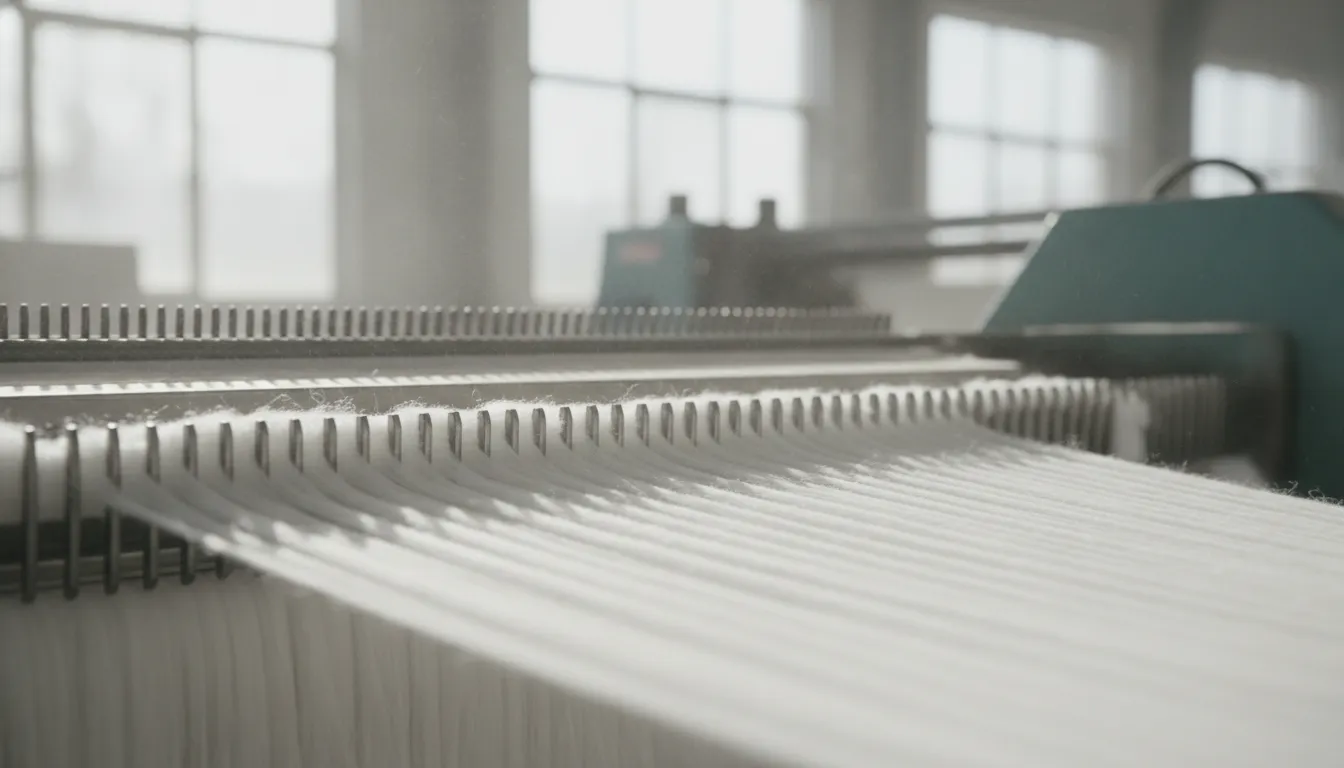
Carding cleans and organizes the fiber mass, but combing goes further by removing most of the shortest fibers. The remaining fibers are longer and more parallel, which gives the yarn a smoother foundation with fewer loose ends. Long, well-aligned fibers sit alongside one another instead of poking out from the yarn surface. That matters in a shirt because a more even surface feels less abrasive against the skin.
After combing, ring-spinning draws the fibers out and twists them together. This twist binds the long fibers into a compact strand, reduces the space between them, and produces a finer yarn than looser spinning approaches. Textile researchers can measure that structure directly. A study indexed by PubMed used nondestructive X-ray microcomputed tomography to measure fiber diameter, packing factor, and yarn diameter. These measurements help explain why yarn structure shapes how a fabric covers, bends, and handles wear. Read the PubMed research summary for the methods and findings.
Twist also has to be balanced. Research from the North Carolina State University textile journal found that twist multiplier affects the air permeability of knitted fabrics. It shapes how open or compact the fabric becomes, influencing comfort alongside strength. See the NCSU study on twist and air permeability for the technical details.
Why Combed Ring-Spun Cotton Feels Softer and Lasts Longer
Softness is not just a first impression. It comes from how fibers are prepared, aligned, and twisted. Combing removes many short fibers that could stand out from the yarn surface, while ring-spinning twists the rest into a finer, more uniform structure. The result is a smoother hand feel with less roughness against your skin.
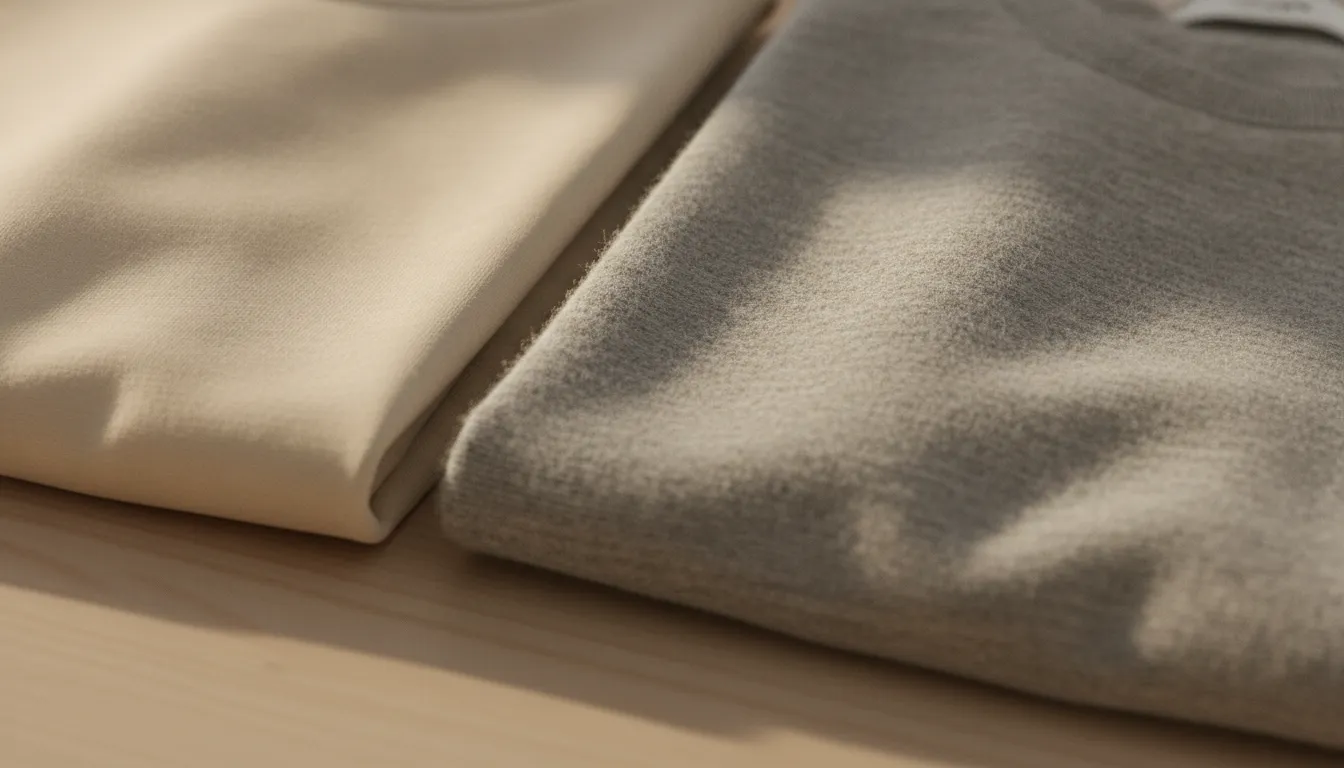
Short, stray fibers create a fuzzier, coarser surface; removing more of them gives the yarn a cleaner outline, so fewer loose ends rub against you as you move. A finer yarn can also be arranged more closely in the fabric, creating a stable surface that is less likely to loosen through normal wear. The tighter twist helps the yarn resist pilling and fraying by keeping fibers more securely contained. No cotton garment is immune to wear, and washing care still matters, but a more uniform yarn gives the fabric a stronger starting point.
That smooth, even surface does more than feel comfortable; it gives ink a cleaner canvas, helping printed designs look sharper and more vibrant. It is also why combed ring-spun cotton suits graphic tees that are meant to be worn often. Learn how the surface and print options come together in water-based inks on t-shirts.
Does combed ring-spun cotton pill?
It can pill under enough friction, as any cotton can. But a tighter and more uniform yarn structure is less prone to pilling and fraying than yarn with more exposed short fibers.
Does a smoother shirt last longer?
Surface smoothness alone does not determine lifespan; fiber quality, yarn construction, fabric weight, printing, and care all matter. Combed ring-spun cotton helps by combining a clean surface with a finer, more securely twisted yarn.
Combed Ring-Spun vs Regular Cotton: Side-by-Side Comparison
Not all cotton tees feel or wear the same. The difference often starts with how the fibers are prepared and spun. Carded cotton is cleaned and aligned but retains more short fibers, while combing removes many of them. Ring-spinning then twists the remaining fibers into a finer, tighter yarn.
| Feature | Combed ring-spun cotton | Regular carded cotton | Open-end cotton |
|---|---|---|---|
| Fiber quality | Short fibers are removed, then longer fibers are twisted into a smooth, fine yarn. | Fibers are cleaned and aligned, but more short fibers remain, which can create a coarser feel. | Fibers are formed into yarn with a rotor-based process rather than ring-spinning. |
| Softness | Typically the softest and smoothest of the three. | Comfortable, but usually less smooth than combed yarn. | Generally feels less soft and refined than ring-spun yarn. |
| Pilling resistance | Finer, tightly twisted fibers create a more uniform yarn that is less prone to pilling and fraying. | Shorter fibers can produce a rougher surface and may pill more with wear. | Practical everyday fabric, though it usually does not match ring-spun yarn for softness or uniformity. |
| Best use | Premium tees, graphic tees, and close-to-skin comfort. | Everyday basics where a straightforward cotton fabric is the priority. | Cost-conscious basics and durable functional garments. |
| Price tier | Usually accessible premium, reflecting extra fiber preparation and finer yarn. | Typically budget to mid-range. | Typically budget to mid-range. |
These distinctions are grounded in the manufacturing process: carded yarn keeps more short fibers, while ring-spun yarn is twisted more tightly for a smoother, more uniform result. Ring-spun and open-end yarn are not interchangeable, and the finished garment still depends on its knit, weight, fit, and care. Mindful Supply uses 100% U.S. combed ring-spun cotton in its Classic Tee, pairing a refined fabric choice with a transparent production story on its Know Your Shirt page. To compare styles and weights for yourself, shop the Classic Tee collection.
What to Look for on a Clothing Label to Confirm Cotton Quality
A clothing label cannot tell you everything, but it can reveal useful details about the fiber, yarn, and manufacturing choices behind a garment. Look past broad words like "premium" or "quality" and focus on terms you can verify. A useful label-reading checklist includes:
How should you care for a combed ring-spun cotton tee?
Start with the care instructions on the garment, because finishing treatments and construction can vary even when two shirts use similar yarn. In general, wash cotton tees in cool or warm water with like colors. Avoid unnecessary high heat, which can encourage shrinkage and place extra stress on printed designs. Air-drying is the gentlest option, while low heat is a practical alternative when you need a dryer. Turn a graphic tee inside out before washing to reduce friction on the print. Do not treat combed ring-spun cotton as maintenance-free. Its smoother yarn gives the garment a strong foundation, but thoughtful care still helps preserve softness, shape, and color over time.
- "100% cotton": Confirms the garment is entirely cotton rather than a cotton-polyester blend. If the label also says "combed" and "ring-spun," it tells you how that cotton was prepared and turned into yarn.
- "Combed" and "ring-spun" together: These terms describe two different steps. Combing removes shorter fibers; ring-spinning twists and thins the rest into a finer, tighter yarn. Look for both terms when comfort and longevity matter.
- A clear fiber origin: Phrases such as "U.S. cotton" show where the raw fiber comes from. Mindful Supply's Classic Tee uses 100% U.S. combed ring-spun cotton, while the Signature Tee uses 100% U.S. Airlume combed ring-spun cotton. Specific origin language is more useful than an unqualified "responsibly made" claim.
- Fabric weight, if listed: A label or product description may include weight in ounces, such as the Signature Tee at 6 oz. Weight is not a complete measure of quality, but it shows whether a shirt is lightweight, substantial, or built to hold its shape.
- Responsible manufacturing details: Look for transparent information about where cotton is grown, fabric is made, garments are sewn, or designs are printed. You can trace the full journey on Mindful Supply's responsibly made cotton apparel guide.
One term alone is not a guarantee. A label that says "ring-spun" does not necessarily mean the cotton was combed, and "combed" does not describe the spinning method. Together the words give a clearer picture of the yarn. For a broader view of responsible choices, see how to tell if a clothing brand is ethical.
Shop Classic Tees made from 100% U.S. combed ring-spun cotton
Frequently Asked Questions
What is the difference between combed cotton and combed ring-spun cotton?
Combed cotton describes the fiber-cleaning step that removes many short fibers. Ring-spinning is a separate yarn-making step that twists and thins the remaining fibers into a finer, tighter yarn. When combined, the processes create a smoother, softer, and stronger material than either process describes alone.
Is combed ring-spun cotton better than regular cotton?
For many everyday tees, it offers a smoother hand feel and a more uniform surface. Standard carded cotton retains more short fibers, which can make the yarn feel coarser, while ring-spun yarn is generally softer and more uniform than open-end yarn. The best choice still depends on the garment's construction, weight, and care for daily wear.
Does combed ring-spun cotton shrink?
Like other cotton fabrics, it can shrink when exposed to high heat or harsh drying conditions. Follow the care label, wash with similar colors, and use low heat or air-dry when possible. The combing and spinning processes improve fiber and yarn quality, but they do not make cotton completely shrink-proof.
Is combed ring-spun cotton good for graphic T-shirts?
Yes. Its smoother, more consistent surface provides a clean base for printed designs, while the finer yarn supports a comfortable feel against the skin. Mindful Supply uses 100% U.S. combed ring-spun cotton in its Classic Tee and pairs it with water-based inks. For a closer look at how cotton origins change the final shirt, see the differences in made-in-USA t-shirts.
Ready to Feel the Difference?
Choosing combed ring-spun cotton is a simple way to bring a softer feel and dependable comfort to your everyday wardrobe. Mindful Supply's Classic Tees are made with 100% U.S. combed ring-spun cotton, giving you a thoughtfully made option for daily wear.
Shop Classic Tees made from 100% U.S. combed ring-spun cotton